Search
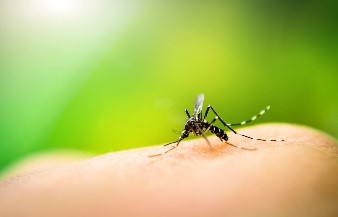
Scientists at the LSU AgCenter have developed a groundbreaking chemical approach that effectively blocks pathogen transmission. Using newly synthesized and novel chemistries, this method interferes with the physiological processes enabling salivary gland function in arthropods, resulting in the blocking of salivation, blood ingestion, and ultimately pathogen transmission. The treatment can be applied topically or orally, leading to the death of arthropods either through direct toxicity or starvation, depending on the species, exposure, and chemistry. This innovative approach targets both the site and mode of action, distinguishing it from other methods used to control hematophagous arthropods and their impact on human and animal health. It has been proven effective against various insects that feed on plants, such as aphids, as well as blood-feeding pests like horn flies, mosquitoes, and ticks. By suppressing insect salivation, this method also prevents the transmission of pathogens to both plants and vertebrates. As a result, it offers promising solutions for managing arthropods, protecting crops, and preventing the spread of diseases, including the number one killer worldwide, Malaria.
LSU AgCenter AG 2017 005 Tech Summary Insect Feeding pdf