Search
To deepen agricultural awareness and promote hands-on learning, the Central and Southwest regions joined forces in launching an innovative educational experience titled The Seed’s Journey. This interactive project is designed to teach youth about the life cycle of a seed — from germination to harvest and ultimately to the plate.
The initiative was developed in response to regional feedback gathered through the Regional Leadership Council advisory process, which identified agricultural literacy and food origin education as key priorities in both the Central and Southwest regions. The Seed’s Journey directly addresses these needs by providing a structured, engaging way for youth to explore where their food comes from and how it grows. The program was a collaborative effort of 4-H regional coordinators along with LSU AgCenter Agriculture and Natural Resource agent Justin Dufour and Kathryn Fontenot, Southwest Region director and horticulturist.
At the heart of the project is a portable walking path that visually and physically guides students through each stage of a seed’s development. Designed for use at agricultural awareness events such as AgMagic Cenla and the Southwest Region Vegetable Field Day, the pathway includes illustrated segments and supplemental lessons tailored for kindergarten through elementary-aged youth.
The program teaches youth about the life cycle of a seed through hands-on gardening activities while introducing key scientific concepts like photosynthesis and nutrient uptake. It also promotes environmental responsibility, healthy eating and social-emotional development, while inspiring interest in agriculture and related careers.
The Acadia Extension Team incorporated The Seed’s Journey into a pumpkin workshop.
“I thought it was a fun game that made the kids have to listen and think,” said Ashley Barfield, horticulture agent.
Beyond its immediate educational benefits, The Seed’s Journey aims to create long-term positive outcomes by empowering youth to become informed, responsible citizens. By connecting science, health and sustainability in a tangible way, the project supports both academic growth and personal development.
This initiative reflects the power of collaboration between educators, regional leaders and community partners — all working together to plant the seeds of knowledge and nurture the next generation of agricultural thinkers.
How does our food grow? This is a question many of my students have when they are starting out in our garden program. I was excited to see The Seed’s Journey walking path at our recent garden training. This activity helped my students create their understanding of the plant’s life cycle by interacting with each other using visual aids. I can’t wait to use this activity with all of my students.
— Paula Guidry, environmental science lab teacher and 4-H school garden leader, L. Leo Judice Elementary
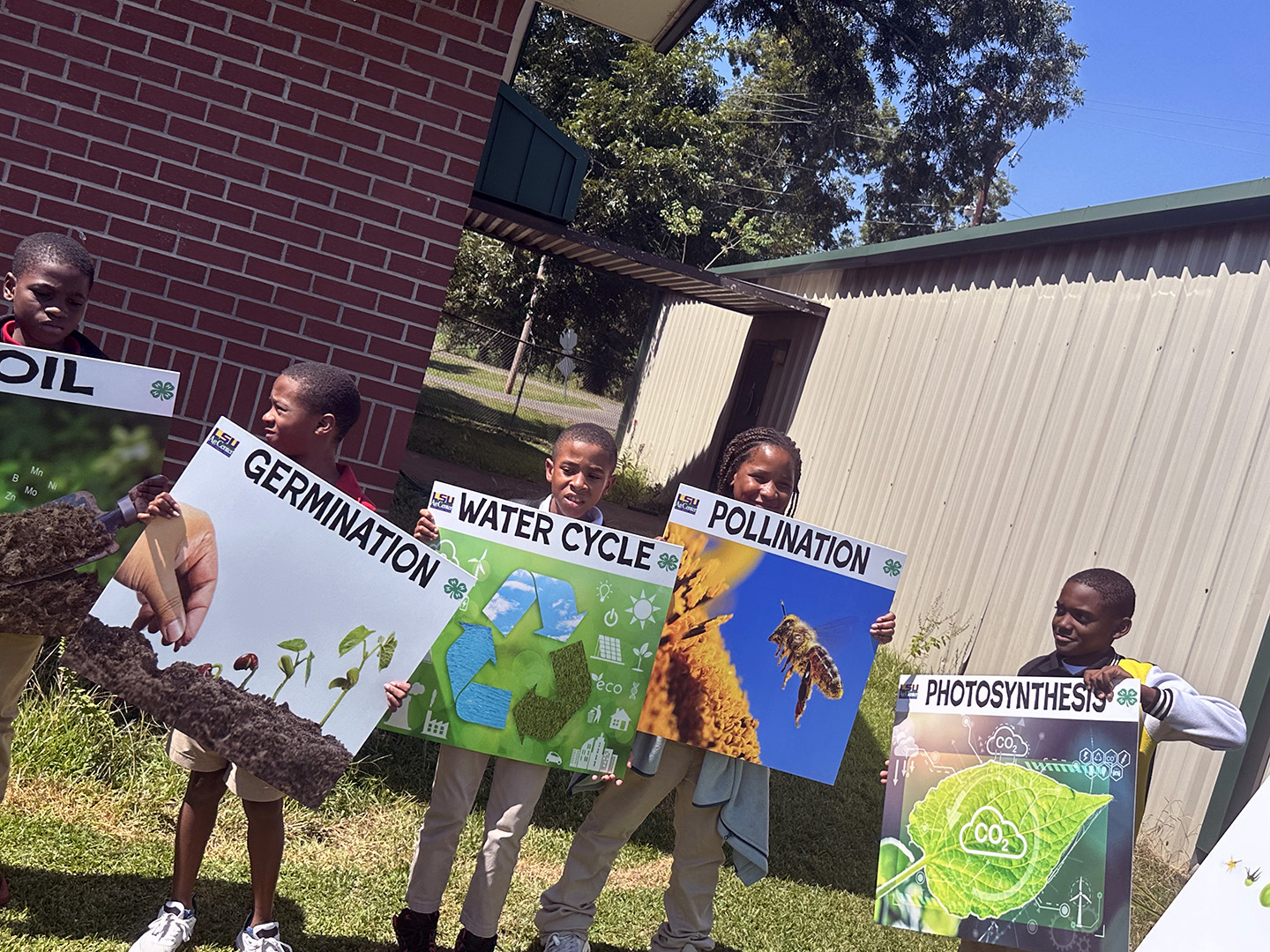
Carter C. Raymond Elementary 4-H members in Rapides enjoyed participating in The Seed’s Journey. Photo provided by Esther Boe.
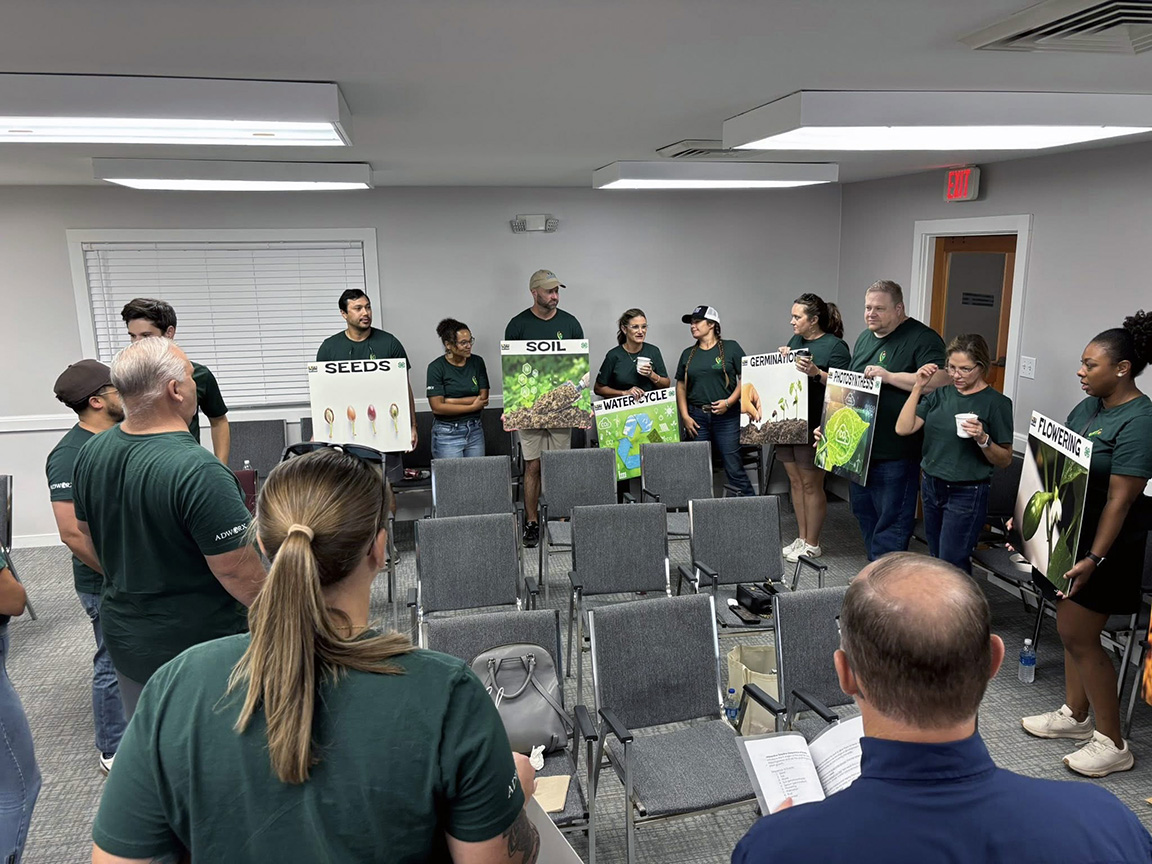
Participants in a community leadership program studying agriculture participated in The Seed’s Journey. Photo provided by Charles Hebert
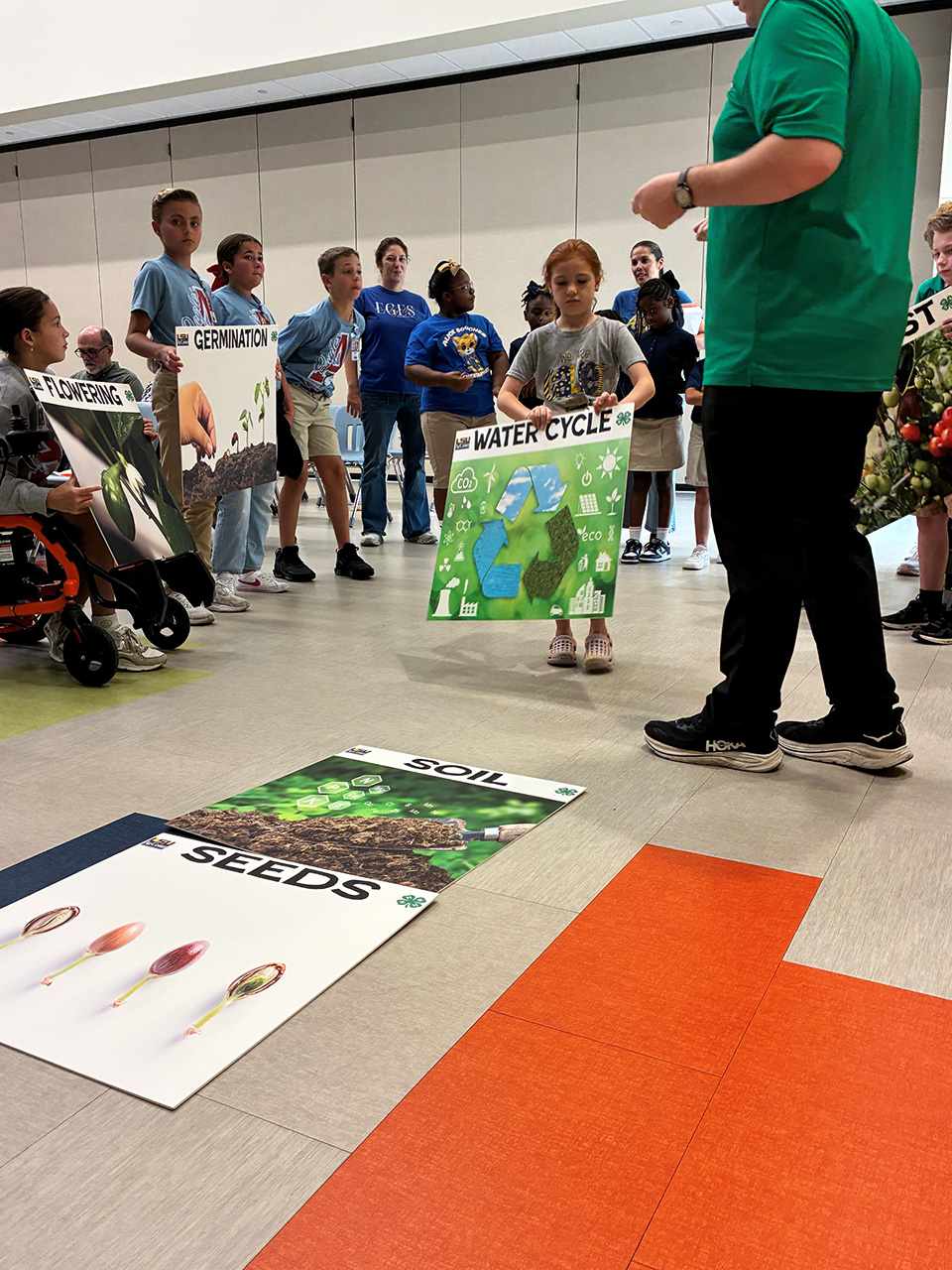
Youth participating in a school garden training enjoyed The Seed’s Journey. Photo provided by Lanette Hebert