Search
The Dietary Guidelines for Americans, 2025–2030 bring a major shift in how the federal government talks about healthy eating. For the first time, the guidelines clearly encourage people to focus on real, whole foods and to limit highly processed products and added sugars. They keep the long‑standing limit of less than 10% of calories from saturated fat, but they also make room for full‑fat dairy as part of a balanced, whole‑foods diet.
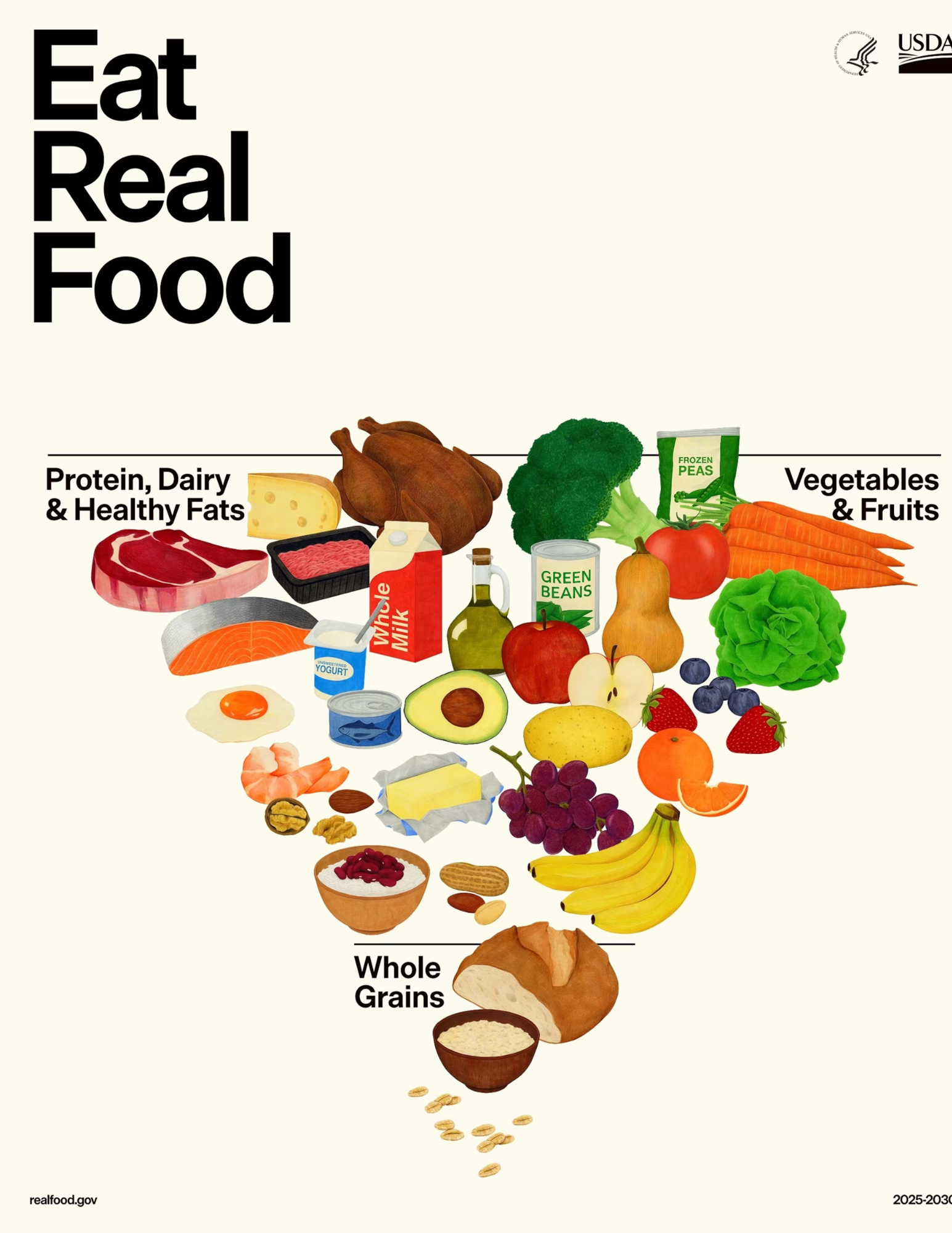
A New Look: The Upside-Down Pyramid
The familiar MyPlate picture has been replaced by an inverted food pyramid.
This new graphic gives more emphasis to:
Grains are shown as less central, and highly processed foods are pushed off to the side.
(Parents and educators can still use MyPlate as a simple visual, especially for kids.)
Having guidelines are important, not just for individual use, but because they influence:
These changes affect more than personal habits — they influence the entire food system.
“Real food” is taking center stage. The new guidelines recommend choosing foods that are naturally close to their original form. They warn against highly processed foods, which are usually high in refined carbs, added sugars, sodium, and artificial ingredients.
Examples of real, whole foods:
Helpful tip for daily life: Choose foods with short, simple ingredient lists — things your grandparents would recognize.
Protein recommendations have increased. For most adults, the guidelines suggest 1.2–1.6 grams of protein per kilogram of body weight. For someone weighing 150 pounds, that’s about 82–109 grams of protein per day. This is especially important as we age, as protein is very important for longevity and maintaining muscle mass.
Fiber is also still important, and since grains are no longer the centerpiece, it’s especially important to get fiber from fruits and vegetables. The previous guidelines said to make half your plate fruits and vegetables, and that’s still a good message. Fiber is necessary for gut health, keeping your intestines “clean” from environmental toxins, and keeping you regular. Aim for overall fiber intake of 25g/day for women and 35g/day for men.
There’s also now a stronger warning against added sugars. The guidelines clearly state:
While the guidelines are promoting whole fat dairy, the saturated fat limit is still less than 10% of your total calories. Some experts note tension here, since whole‑food eating patterns often include foods like full‑fat dairy or red meat. Supporters argue that the “food matrix” — the combination of nutrients within whole foods — matters more than isolated fat numbers, because our bodies function as one with many systems.
Bottom line:
You can include full‑fat dairy and other whole foods, but balance and portion control still matter.
What do we know about dairy fat? New research suggests that dairy products like cheese and yogurt may not affect heart health the same way butter does. This is likely due to differences in fermentation, proteins, minerals, and other natural structures inside these foods. This doesn’t mean full‑fat dairy is unlimited, but it can fit within a healthy diet.
Better choices include:
Use butter in smaller amounts and choose oils like olive oil or avocado oil for cooking.
Here are three strategies to eat whole fat dairy while still not going over the saturated fat recommendation.
Strategy 1: Treat Saturated Fat Like a Budget
On a 2,000‑calorie diet, 10% saturated fat = about 22 grams/day.
Approximate amounts:
Knowing these numbers helps you plan your day.
Strategy 2: Choose Fermented Dairy
Choose foods like yogurt, kefir, and natural cheeses. Use butter less often and rely on olive or avocado oil for cooking.
Strategy 3: Balance the Rest of Your Plate
Pair full‑fat dairy with:
Keeping added sugars and processed carbs low helps maintain balance and satisfaction while staying within guidelines.
Sources
Fermented foods have been a staple in various cultures for centuries, celebrated not only for their unique flavors but also for their impressive health benefits. From tangy sauerkraut to spicy kimchi, these foods are making a comeback in modern diets. Fermented foods are foods and beverages that have undergone a process called fermentation, where natural bacteria, yeast, or other microorganisms break down sugars and carbohydrates in the food. This process not only preserves the food but also enhances its nutritional value and adds beneficial probiotics, which support gut health. Common examples of fermented foods that you might want to include in your diet are:
Including these fermented foods in your diet can help improve digestion, boost your immune system, and provide a variety of essential nutrients.
Fermented foods are a nutrition powerhouse, offering many benefits, such as improved gut health, enhanced immune function, weight management, reduced inflammation, improved nutrient absorption, and improved blood sugar regulation.
One of the most well-known benefits of fermented foods is their positive impact on gut health. These foods are rich in probiotics, which are beneficial bacteria that help maintain a healthy balance in your gut microbiome. A healthy gut can improve digestion, reduce symptoms of irritable bowel syndrome (IBS), and enhance nutrient absorption.
They also Enhance Immune Function. A significant portion of the immune system is located in the gut. By promoting a healthy gut microbiome, fermented foods can help strengthen your immune response. This means your body is better equipped to fight off infections and illnesses.
They may also help with weight management, because they help regulate appetite, making it easier to maintain a healthy weight. Some studies have shown that the gut microbiomes of lean individuals differ significantly from those of obese individuals, suggesting that a healthy gut can help prevent obesity. They also help to reduce inflammation. Chronic inflammation is linked to numerous health issues, including heart disease, diabetes, and certain cancers. The probiotics in fermented foods can help reduce inflammation in the body, potentially lowering the risk of these chronic diseases. They also offer improved nutrient absorption. Probiotics also may help with blood sugar regulation. Certain fermented foods, such as yogurt, have been linked to better blood sugar control. They can help prevent spikes in blood sugar levels, making them beneficial for individuals with diabetes or those at risk of developing the condition.
Finally, fermentation can enhance the bioavailability of nutrients in food. This means that your body can absorb and utilize vitamins and minerals more effectively. For example, fermented dairy products like yogurt and kefir are excellent sources of calcium and vitamin K2, which are crucial for bone health.
In conclusion, incorporating fermented foods into your diet can offer a myriad of health benefits, from improved digestion and immune function to weight management and lower inflammation. Whether you enjoy the tang of sauerkraut, the spice of kimchi, or the creaminess of yogurt, there’s a fermented food to suit every palate. So, why not give these nutritional powerhouses a try and reap the benefits they have to offer?
If you have any additional questions, reach out to your local LSU AgCenter.
Leeuwendaal, N. K., Stanton, C., O'Toole, P. W., & Beresford, T. P. (2022). Fermented Foods, Health and the Gut Microbiome. Nutrients, 14(7), 1527. https://doi.org/10.3390/nu14071527
The Dietary Guidelines for Americans (2025–2030) share a clear and practical message for better health: Eat more real, whole foods.
One of the biggest reasons whole foods matter so much is that they naturally contain fiber—a nutrient most Americans don’t get enough of, but one that plays a powerful role in keeping the body healthy. Fiber supports digestion, gut health, blood sugar balance, heart health, immune function, and even long‑term disease prevention.
Even though fiber has been recommended for decades, most adults fall far short of daily goals. The good news? Getting enough fiber doesn’t require special supplements or complicated meal plans. It simply means eating more fruits, vegetables, beans, whole grains, nuts, and seeds.
Fiber is the part of plant foods that your body cannot fully digest. Instead of being broken down and absorbed like sugars and starches, fiber moves through the digestive system, helping in many different ways along the way.
There are two main types of fiber:
Most whole plant foods contain a mix of both types, which is why eating a variety of fiber‑rich foods is more helpful than focusing on just one.
The Dietary Guidelines provide clear fiber goals based on age and sex:
Another simple way to think about fiber needs is about 14 grams of fiber for every 1,000 calories eaten.
For comparison, the average American gets only 10–15 grams per day, well below recommendations. Reaching fiber goals may sound challenging at first, but small changes add up quickly.
A few fiber‑rich choices at each meal can help meet daily needs without overthinking it.
One of fiber’s most well‑known benefits is helping digestion. Fiber keeps stool soft and bulky, which supports regular bowel movements and reduces constipation risk.
But fiber does more than just “keep things moving.” The intestines are home to trillions of helpful bacteria, often called the gut microbiome. These bacteria rely on fiber as their main food source.
When gut bacteria break down fiber, they produce helpful substances that:
Low‑fiber diets, especially those high in processed foods, can reduce helpful gut bacteria and allow less‑helpful bacteria to take over. Eating fiber‑rich whole foods helps restore balance and support long‑term gut health.
Many people don’t realize that most of the immune system is connected to the gut. What happens in the digestive tract can influence how well the body fights illness and manages inflammation.
Fiber supports immune health by:
People who consistently eat diets rich in plant foods tend to have stronger immune regulation and fewer inflammation‑related health problems over time.
Fiber plays a major role in blood sugar balance, which is important for everyone—not just people with diabetes.
When meals are low in fiber, carbohydrates break down quickly, leading to sharp spikes in blood sugar followed by energy crashes. Fiber slows this process, allowing sugar to enter the bloodstream more gradually.
Benefits include:
Foods such as beans, lentils, oats, whole fruit, vegetables, and whole grains are especially helpful for keeping blood sugar levels stable.
Eating enough fiber is strongly linked to better heart health. Fiber helps:
Fiber‑rich foods also naturally replace less‑healthy options like refined grains, sugary snacks, and heavily processed foods. This shift supports overall heart health without requiring strict dieting.
Higher fiber intake has been linked to lower rates of heart disease, type 2 diabetes, certain cancers, and early death. People who regularly eat fiber‑rich diets—especially those high in vegetables, beans, whole grains, nuts, and seeds—tend to live longer and healthier lives.
Even small increases matter. Adding 5–10 grams of fiber per day—such as a cup of beans or an extra serving of vegetables—can make a meaningful difference over time. Just be careful to drink extra water to avoid gassiness or bloating. Don’t give up! Your body adapts within 1-2 weeks to increased fiber, and you won’t maintain digestive discomfort.
The 2025–2030 Dietary Guidelines focus on:
Fiber fits naturally into this approach. Whole foods contain fiber by default, while ultra‑processed foods are often low in fiber—even when fiber is added back in.
Fiber‑added snack foods can help, but they do not replace the benefits of whole foods, which also provide vitamins, minerals, and protective plant compounds.
You don’t need to change everything at once. Try one or two of these ideas:
As fiber intake increases, drinking enough water helps the digestive system adjust comfortably.
Fiber is one of the most important nutrients for overall health—and one of the most commonly missed. The updated Dietary Guidelines highlight what research has shown for years: eating more real, whole foods naturally increases fiber intake and supports digestion, immune health, blood sugar control, heart health, and long‑term wellness.
By making small, steady choices—like adding more fruits, vegetables, and whole grains—you can meet fiber needs without counting every gram. Over time, these habits help build a healthier gut, a stronger immune system, and a more resilient body.
References:
U.S. Department of Health and Human Services; U.S. Department of Agriculture. Dietary Guidelines for Americans, 2025–2030. 10th ed. Published January 2026. https://dietaryguidelines.gov
Mozaffarian D. The 2025–2030 Dietary Guidelines for Americans. JAMA. 2026;335(7):575‑577. doi:10.1001/jama.2026.0283
Gill SK, Rossi M, Bajka B, Whelan K. Dietary fibre in gastrointestinal health and disease. Nat Rev Gastroenterol Hepatol. 2021;18(2):101‑116. doi:10.1038/s41575‑020‑00375‑4
So D, Whelan K, Rossi M, et al. Dietary fiber intervention on gut microbiota composition in healthy adults: a systematic review and meta‑analysis. Am J Clin Nutr. 2018;107(6):965‑983. doi:10.1093/ajcn/nqy041
Wastyk HC, Fragiadakis GK, Perelman D, et al. Gut‑microbiota‑targeted diets modulate human immune status. Cell. 2021;184(16):4137‑4153.e14. doi:10.1016/j.cell.2021.06.019
Grant ET, Parrish A, Boudaud M, et al. Dietary fibers boost gut microbiota‑produced B vitamin pool and alter host immune landscape. Microbiome. 2024;12:179. doi:10.1186/s40168‑024‑01898‑7
Fu L, Zhang G, Qian S, et al. Associations between dietary fiber intake and cardiovascular risk factors: umbrella review of meta‑analyses of randomized controlled trials. Front Nutr. 2022;9:972399. doi:10.3389/fnut.2022.972399
Ramezani F, Pourghazi F, Eslami M, et al. Dietary fiber intake and all‑cause and cause‑specific mortality: updated systematic review and meta‑analysis of prospective cohort studies. Clin Nutr. 2024;43(1):65‑83. doi:10.1016/j.clnu.2023.11.005
Protein is one of the most essential nutrients for human health, playing a critical role in building and maintaining body tissues, supporting metabolic processes, and ensuring overall well‑being. With the release of the updated Dietary Guidelines for Americans, 2025–2030, protein has taken a more prominent place in federal nutrition recommendations. These guidelines reflect the growing scientific consensus that higher protein intake supports better health across life stages and promotes improved diet quality.
Why Protein?
Protein is responsible for three main functions: building and repairing tissues, supporting metabolic and immune function, and enhancing satiety and energy regulation.
1. Building and Repairing Tissues
Proteins provide amino acids that form the structural components of muscles, organs, skin, and enzymes. They support growth, healing, and routine cellular maintenance. Amino acids are the building blocks of protein. Every protein has a unique build with different amino acids in different amounts. Each individual amino acid supports different body functions. The new guidelines emphasize consuming all varieties of protein, including red meat, poultry, and plant-based protein sources like beans, nuts, and legumes.
Most people chronically undereat protein and fiber and consume too many carbohydrates and unhealthy fats. By displacing some (not all) of your carbohydrate and fat intake with protein and fiber rich foods, your body will be able to begin repairing itself and risk of chronic health disorders begin to fall.
2. Supporting Metabolic and Immune Function
Protein supports immune function by helping produce antibodies. Antibodies are part of your defense system. They identify the pathogen, or something that makes you sick, and they fight to get rid of it. Without enough protein, you cannot make these very important antibodies. Animal-based proteins supply high‑quality amino acids and key micronutrients that support metabolic functioning, cognitive development, and hormone regulation. This means that proteins help your body work efficiently, keeps your brain running, and keeps the chemical signals in your body firing when and how they’re supposed to, and keeps you feeling energized.
3. Enhancing Satiety and Energy Regulation
Protein promotes fullness, helping regulate appetite and maintain stable energy levels. Adequate protein intake is linked to improved weight maintenance and better blood sugar control. Protein and fat both take longer to digest than carbohydrates. A longer digestion period means you feel fuller longer and sugar cravings begin to decrease.
Protein through the Life Cycle
Protein is paramount through all stages of our lives, from the preconception period prior to pregnancy all the way through the end of our lives. In the preconception period, higher protein helps to regulate blood sugar and is more likely to provide all the essential nutrients needed from both the mother and father to achieve pregnancy. During pregnancy, protein needs increase to support fetal development and maternal tissue changes. An increase in protein is also found to support healthy blood pressure in the prevention of pre-eclampsia, supports healthy blood sugar in the prevention of gestational diabetes, and supports healthy weight gain for both mom and baby, among a plethora of other benefits.
In infancy and early childhood, protein is essential for rapid growth and development. Studies have shown a decrease in life long chronic disease incidence is associated with adequate protein intake throughout early childhood. As children grow, protein supports muscle development, bone growth, and cognitive function. Higher quality protein sources, like red meat, provide essential amino acids, vitamins, and minerals, to ensure proper physical and neurological development.
In adulthood, protein supports muscle maintenance, metabolic health, and satiety. Studies examining adults ages 19-50 and older adults (51+) show ongoing requirements for key amino acids to maintain muscles. Studies show that sarcopenia, which is the withering away of skeletal muscle, otherwise known as frailty, begins in our 30s if our lifestyle does not include adequate protein intake and physical activity. The older we get, particularly after menopause for women, building muscle becomes harder and harder (though not impossible). Higher protein intake preserves muscle mass, strength, and function in older populations. The updated guidelines stress the importance of prioritizing protein at every meal at every age.
New Increased Protein Recommendations in the 2025–2030 Dietary Guidelines
The most notable change in the new DGAs is the increased recommended protein intake.
1. Shift from 0.8 g/kg to 1.2–1.6 g/kg
The previous recommendation of 0.8 g/kg per day was designed merely to prevent deficiency. The new guidelines raise this significantly, reflecting research showing that higher intake supports muscle health, exercise recovery, metabolic function, and long‑term well‑being. The 2025–2030 DGAs recommend 1.2–1.6 g of protein per kilogram of body weight per day, aligning federal policy with current scientific evidence. This translates to an average of 82g-109g of protein per day, or about 30g of protein per meal. For pregnancy, the recommendation can bump up even higher to 1.8-2.2g of protein per kilogram of body weight, further emphasizing the need for protein for a healthy pregnancy.
2. Emphasis on Prioritizing Protein at Every Meal
The updated guidelines emphasize “prioritizing high-quality protein foods in every meal,” including lean meats, poultry, eggs, seafood, dairy, legumes, nuts, and seeds.
3. Recognition of Protein’s Role Across Life Stages
The guidelines highlight the importance of adequate protein intake “across life stages”—from children to older adults—acknowledging its role in growth, metabolic health, satiety, and maintaining muscle mass.
4. Inclusion of Both Animal and Plant Protein Sources
The DGAs retain animal-based proteins (meat, poultry, eggs, seafood) as core components of the protein foods group, rejecting earlier proposals to deprioritize them. The guidelines emphasize that these foods provide nutrient density and unique physiological benefits.
The shift toward higher protein guidance reflects:
The new DGAs also reflect a broader movement toward whole, minimally processed foods, placing protein and healthy fats at the forefront while advising against processed foods and added sugars.
In conclusion, protein is indispensable for health across the entire life cycle—from infancy to older adulthood. Its roles in building tissues, maintaining metabolic function, supporting immune health, and promoting satiety underscore its importance in daily nutrition. The 2025–2030 Dietary Guidelines for Americans represent a major shift by elevating protein’s prominence and increasing recommended intakes to 1.2–1.6 g/kg/day.
Whether sourced from animals or plants, high‑quality protein is now recognized as a cornerstone of a nutrient-dense diet that supports long-term health, vitality, and disease prevention.
If you have any additional questions, reach out to your local LSU AgCenter.
References:
U.S. Department of Agriculture. Dietary Guidelines for Americans, 2025–2030. realfood.gov. Published 2026.
Harvard T.H. Chan School of Public Health. Dietary Guidelines for Americans 2025–2030: Progress on added sugar, protein hype, saturated fat contradictions. The Nutrition Source. January 9, 2026.
U.S. Department of Agriculture Food and Nutrition Service. Dietary Guidelines for Americans. Updated January 14, 2026.
Burstad KM, Lamina T, Erickson A, et al. Evaluation of dietary protein and amino acid requirements: a systematic review. Am J Clin Nutr. 2025;122(1):285‑305.
Maleky F, Ahmadi L. Adhering to recommended dietary protein intake for optimizing human health benefits versus exceeding levels. RSC Adv. 2025;15:9230‑9242.
Eggs have had an interesting history—some experts have hailed them as a superfood, while others have cautioned against their consumption due to saturated fat and cholesterol content. However, recent research has highlighted their significant benefits for brain health, making them a valuable addition to any diet. In recent years, there has been growing interest in brain-healthy foods, and it’s no wonder why, given the crucial role diet plays in everything from memory and concentration to mood and overall well-being. Eggs happen to be a nutritional powerhouse that come at an affordable price and offer numerous benefits.
1. Rich Source of Choline
One of the standout nutrients in eggs is choline, particularly concentrated in the yolk. Choline is one of the building blocks for brain cells and is crucial for producing acetylcholine, a neurotransmitter that plays a vital role in memory and learning. Choline also assists in muscle control. In the prenatal population, consuming choline sources alongside DHA (often found together in egg yolks) enhances DHA absorption and helps deliver it across the placenta to the developing baby. Regular egg consumption can help ensure adequate choline intake, supporting cognitive function and reducing the risk of cognitive decline.
2. Omega-3 Fatty Acids
Eggs can be a good source of omega-3 DHA fatty acids, especially those that are omega-3 enriched or from free-range hens. These fats support the structural integrity of brain cells and are crucial for brain development and function, improving memory and overall neurological health. While eggs do not contain as much DHA as fish and seafood, they still contribute to your daily intake of these essential fats. Omega-3s also play a role in reducing inflammation, which is linked to various cognitive disorders.
3. B-Vitamins for Brain Function
Eggs are rich in B-vitamins, including B6, B12, and folate, which are essential for neurotransmitter production. These vitamins help brain cells communicate effectively, maintaining smooth cognitive processes. B-vitamins also help reduce homocysteine levels, which, when elevated, can increase the risk of cognitive impairment. Homocysteine is naturally produced in the body from the breakdown of the amino acid methionine. While this is a normal process, too much homocysteine in the blood can damage arterial linings, promote blood clot formation, and increase the risk of cardiovascular disease and related complications. A balanced diet rich in protein (like eggs) and fiber sources provides enough B-vitamins to help regulate homocysteine levels.
4. Antioxidants for Brain Protection
Egg yolks contain antioxidants like lutein and zeaxanthin, which are well-known for their eye health benefits. Emerging studies suggest these antioxidants also have protective effects on brain cells, potentially lowering the risk of cognitive decline and slowing the progression of neurodegenerative diseases like Alzheimer’s.
5. Improved Memory and Learning
Regular consumption of eggs has been associated with better memory recall and learning abilities. Studies have shown that individuals who include eggs in their diet exhibit slower cognitive decline and better performance in tasks requiring executive functioning.
Exploring the Link Between Egg Consumption and Human Health
The American Journal of Clinical Nutrition found that adults consuming one egg per day performed better on cognitive tests compared to adults who rarely or never consumed eggs. Researchers attributed this difference to the increased choline status of regular egg consumers, which has been linked to improved cognitive function.
The journal Nutrients published an article on maternal health and fetal brain development, showing that prenatal egg consumption led to better outcomes in visual and cognitive tests at age one. Another study showed that high prenatal choline intake reduced the risk of pre-eclampsia and was associated with better attention spans through age seven. For reference, one egg yolk contains about 120 mg of choline, making it one of the highest dietary sources of this nutrient.
The Journal of Alzheimer’s Disease found that adults over the age of 65 who regularly consumed eggs performed better on cognitive tests. Simply incorporating eggs into your regular diet may be an easy and effective way to reduce the risk of age-related cognitive decline.
It’s important to note that while these studies are promising, they do not prove causation. Overall diet quality and lifestyle also play a critical role in maintaining health throughout the aging process.
Conclusion
Eggs are more than just a versatile and delicious food—they are a nutritional ally for brain health. Packed with choline, B-vitamins, antioxidants, and omega-3 fatty acids, eggs support cognitive function, protect brain cells, and enhance memory and learning. Incorporating eggs into your diet can be a simple yet effective way to boost brain health and maintain cognitive vitality as you age.
Breanna Staab, MS
LSU AgCenter Nutrition Agent
References
A month into the school year, and many families are already dealing with the wave of germs and illnesses that tend to circulate in classrooms. From runny noses to fatigue, these seasonal challenges can affect not only children but the entire household. Fortunately, nutrition plays a powerful role in both fueling the body and supporting immune health by helping kids stay well, focused, and energized.
Here are some evidence-based strategies to keep your family healthy as the holidays approach and the school year continues.
First, prioritize immune-supporting nutrients. Start with a balanced breakfast, smart lunches, and nutrient-rich snacks. Focus on foods that naturally support the immune system. Here are some nutrients to keep in mind:
Second, build a brain boosting breakfast. A nutritious breakfast sets the tone for the day. According to the CDC’s Youth Risk Behavior Survey, children who eat breakfast daily are more likely to earn higher grades and maintain better emotional regulation. Include:
This combination helps maintain energy levels and concentration throughout the morning.
Third, pack whole food lunches over highly processed choices. Children who consume diets rich in fruits, vegetables, whole grains, and lean proteins are less likely to experience frequent illness. Processed foods high in sodium, sugar, and saturated fats can weaken immune response and increase inflammation.
A healthy lunch should include:
Avoid processed snacks and sodas, which can lead to energy crashes and decreased focus.
Fourth, choose smart snacks. Excess sugar intake is linked to behavioral issues and poor academic performance. Students with higher grades are less likely to consume sugary sodas and more likely to eat fruits and vegetables daily. Offer snacks like:
Next, focus on hydration and movement. Water helps transport nutrients, regulate body temperature, and flush out toxins. Encourage kids to drink water throughout the day, especially during and after physical activity. Regular movement supports both physical and mental health. The CDC recommends:
It’s very important to establish consistent routines. Consistent meal and sleep schedules help regulate appetite, mood, and immune function. Aim for:
Studies show that routines around meals and sleep contribute to better emotional regulation, academic success, and overall wellness.
In conclusion, as the holidays approach and the school year ramps up, supporting your child’s health through nutrition is one of the most effective tools you have. By focusing on immune-supporting foods, whole meals, hydration, movement, and consistent routines, you can help your family stay well, thrive in school, and enjoy the season with fewer sick days and more energy.
Breanna Staab, MS
LSU AgCenter Nutrition Agent
References
Trends in Diet Quality Among Youth in the United States, 1999-2016. Liu J, Rehm CD, Onopa J, Mozaffarian D. JAMA. 2020 Mar 24;323(12):1161-1174. doi: 10.1001/jama.2020.0878. PMID: 32207798.
Neal S. LeLeiko, MD, PhD; Sally Dorfzaun, MS, RD, CDN; Joseph Picoraro, MD. Pediatr Rev (2022) 43 (6): 298–308. https://doi.org/10.1542/PIR.2021-005174
It’s not “All or Nothing” – Keeping you Healthy throughout the Holiday Season
As cold and flu season approaches, fall is the perfect time to strengthen your immune system through nutrition. With children back in school and families spending more time indoors, exposure to seasonal viruses increases. Fortunately, a nutrient-rich diet can help build a strong immune defense, reduce inflammation, and support faster recovery from illness.
But before diving into immune-boosting foods, it’s important to understand one of the biggest dietary threats to immune health: added sugar.
How quickly does sugar intake affect gut health and your immune response? Consuming high amounts of added sugar can impair immune function within just 30 minutes of ingestion. A landmark study published in the American Journal of Clinical Nutrition found that the activity of neutrophils—white blood cells that fight infection—was significantly reduced after participants consumed 100 grams of sugar (about the amount in two cans of soda). This immune suppression lasted for up to five hours, leaving the body more vulnerable to pathogens. Other examples of common fall and holiday foods that may contain around 100g of sugar:
In the gut, sugar feeds harmful bacteria and yeast, disrupting the delicate balance of the microbiome. A healthy gut microbiome is essential for immune regulation, nutrient absorption, and inflammation control. When sugar intake is high, beneficial bacteria are crowded out, leading to increased intestinal permeability (often called “leaky gut”), which allows toxins and pathogens to enter the bloodstream and trigger immune responses.
Excess sugar also contributes to chronic inflammation, which places stress on the immune system and can increase the risk of long-term health issues like diabetes, obesity, and cardiovascular disease. Individuals with elevated blood sugar levels—such as those with insulin resistance—have a harder time fighting off infections and healing from illness.
While October-December is such a fun time of year, it’s important to remember that the American Academy of Pediatrics recommends 0g of added sugar for children under 2 and no more than 25g of added sugar per day for children over 2. When children consume more than this regularly, sugar often displaces healthier options like fruits, vegetables, whole grains, and lean proteins which can lead to deficiencies in calcium, iron, vitamin D and fiber. Regular high sugar intake can also affect mood, attention, behavior and impulse control, memory, cognitive development, and learning, while increasing irritability, fatigue, and difficulty concentration. That’s not to say that children can’t enjoy the holidays, but it is important to remember (this is true for adults and children alike), that not every day is a party. At the occasional holiday event, enjoying treats is a perfectly wonderful and fun way to get out of the house, be social, and create new experiences and memories. However, it’s when the candy and the treats are eaten most days of the week that our immune systems really take a hit.
There are some immune boosting foods to focus on to counteract the effects of sugar and support immune health, focus on foods rich in the following nutrients:
1. Vitamin C
2. Vitamin D
3. Zinc
4. Probiotics
5. Antioxidants
6. Iron & Selenium
Hydration is also often overlooked but plays a vital role in immune health. Water helps transport nutrients, regulate body temperature, and flush out toxins. Herbal teas like ginger, echinacea, and chamomile offer hydration and additional immune support. Many people don’t feel as thirsty throughout the day as the weather cools down. Not feeling especially thirsty is not a sign that you don’t need the hydrating water and herbal teas. It’s important to remind yourself and your children to drink more to keep your immune system functioning at high speed.
Other lifestyle factors that enhance immunity:
As always, we preach a balanced approach to health and nutrition. As the holidays approach, sugary treats become more common—and that’s okay. You don’t need an “all or nothing” approach to stay healthy. Instead, focus on balance and consistency:
1. Pair Treats with Nutrient-Dense Foods
2. Use Natural Sweeteners
3. Practice Portion Awareness
4. Stay Consistent with Core Habits
5. Add More Gut-Friendly Foods
In conclusion, fall is a season of change—and an opportunity to strengthen your body’s defenses. By focusing on immune-boosting nutrients, staying hydrated, and maintaining a balanced approach to holiday eating, you can help your family stay well and enjoy the season with fewer sick days and more energy.
Breanna Staab, MS
LSU AgCenter Nutrition Agent
References:
Chandra RK. Nutrition and the immune system: an introduction. Am J Clin Nutr. 1997;66(2):460S–463S. doi:10.1093/ajcn/66.2.460S
Centers for Disease Control and Prevention. Your immune system and diabetes. CDC. Published May 15, 2024. Accessed September 25, 2025. https://www.cdc.gov/diabetes/diabetes-complications/diabetes-immune-system.html
Office of Dietary Supplements, National Institutes of Health. Dietary supplements for immune function and infectious diseases – health professional fact sheet. ODS. Updated March 30, 2022. Accessed September 25, 2025. https://ods.od.nih.gov/factsheets/ImmuneFunction-HealthProfessional/
Caloric restriction in humans reveals immunometabolic regulators of health span. Spadaro O, Youm Y, Shchukina I, Ryu S, Sidorov S, Ravussin A, Nguyen K, Aladyeva E, Predeus AN, Smith SR, Ravussin E, Galban C, Artyomov MN, Dixit VD. Science. 2022 Feb 11;375(6581):671-677. doi: 10.1126/science.abg7292. Epub 2022 Feb 10. PMID: 35143297
Exposure to sugar rationing in the first 1000 days of life protected against chronic disease. Gracner T, Boone C, Gertler PJ. Science. 2024 Oct 31:eadn5421. doi: 10.1126/science.adn5421. Online ahead of print. PMID: 39480913.
Good nutrition doesn’t require strict rules, special diets, or expensive foods. In fact, research consistently shows that simple, everyday habits, like eating regular meals, choosing a variety of foods, managing portions, and staying hydrated, play a major role in supporting health over a lifetime. Rather than focusing on trends or extremes, nutrition experts agree that balance, consistency, and practicality are what matter most.
The Dietary Guidelines for Americans, 2025–2030 emphasize returning to the basics: eating mostly whole, nutrient‑dense foods, limiting highly processed foods, and building routines that are realistic for daily life. This article explores what those everyday habits look like and why they matter, using clear language and science‑backed evidence.
1. Eating Regular Meals Supports Energy and Focus
Skipping meals may seem harmless, but research shows that regular eating patterns are linked with better diet quality and more stable energy levels throughout the day. A large systematic review conducted for the Dietary Guidelines Advisory Committee found that people who eat regular meals are more likely to follow eating patterns aligned with national nutrition recommendations.
When meals are skipped, people are more likely to feel overly hungry later, which can make it harder to make balanced choices or pay attention to portion sizes. Regular meals help:
This does not mean everyone must eat at the exact same times each day. Instead, it means listening to hunger cues and avoiding long stretches without food. For many people, this looks like three meals per day with optional snacks as needed.
2. Building a Balanced Plate Without Stress
A balanced meal doesn’t have to be complicated. Nutrition research consistently shows that variety and balance across food groups help the body meet its nutrient needs and reduce the risk of chronic disease.
A helpful guideline is to think about what you include on your plate:
Studies show that meals built this way tend to provide more fiber, vitamins, and minerals while keeping saturated fat, added sugars, and sodium in check.
Importantly, balance does not mean perfection. Meals do not need to be perfect every time; what matters most is the overall pattern, not a single food or meal.
Louisiana on the plate:
A meal like beans and rice with sautéed vegetables or a side salad fits well within balanced‑plate guidance and reflects traditional Louisiana eating patterns.
3. Why Portion Size Matters More Than People Think
Portion sizes have increased significantly over the past several decades, both at restaurants and at home. Research shows that when people are served larger portions, they tend to eat more, even when they are not hungrier.
A comprehensive systematic review found a clear relationship between portion size and calorie intake: larger portions lead to higher energy intake, often without an increase in feelings of fullness. Over time, this can contribute to unwanted weight gain.
Helpful, practical portion strategies include:
Research shows that eating larger portions of low‑energy‑dense foods, like vegetables, fruits, and soups, can help people feel full while consuming fewer calories overall.
At gatherings where foods like étouffée, jambalaya, or gumbo are served, pairing a moderate portion of the main dish with a larger serving of vegetables or salad can help keep meals satisfying and balanced, without skipping the foods people love.
4. Fiber: A Cornerstone of Everyday Nutrition
Fiber is one of the most important, and most underconsumed, nutrients in the American diet. Fiber supports:
Yet, most adults fall short of recommended fiber intakes.
Fiber is found naturally in:
Research consistently links higher fiber intake with lower risk of heart disease, type 2 diabetes, and digestive issues. Importantly, these benefits come from food sources, not supplements.
Simple ways to increase fiber include choosing whole fruit instead of juice, switching from refined grains to whole grains, and adding beans to soups, salads, and casseroles. Classic red beans and rice can be a powerful fiber‑rich meal, especially when cooked with plenty of vegetables.
5. Hydration: An Often Overlooked Healthy Habit
Water plays a role in nearly every function of the body, from regulating body temperature to supporting digestion and kidney function. Evidence shows that chronic under‑hydration is common and may be linked with increased health risks over time.
Systematic and narrative reviews suggest that adequate hydration supports:
Daily fluid needs vary based on age, activity level, and climate, but a simple guideline is to:
Hydration does not require sports drinks or supplements, plain water meets the needs of most people in everyday situations.
6. Cooking and Eating at Home Supports Health
Home‑prepared meals are consistently associated with higher diet quality and greater intake of fruits, vegetables, and whole foods. Research reviewed by nutrition scientists shows that people who cook at home more frequently tend to consume fewer highly processed foods and more nutrient‑dense meals.
Cooking does not need to be time‑consuming or complicated. Simple meals made with familiar ingredients, such as stir‑fries, slow‑cooker meals, or sheet‑pan dinners, can support healthier eating patterns.
In addition to nutrition benefits, cooking at home is linked with:
7. Consistency Matters More Than Perfection
One of the most important messages from nutrition science is that long‑term habits matter more than short‑term changes. No single food or meal determines health. Instead, health is shaped by what people do most of the time.
The Dietary Guidelines emphasize sustainable patterns that people can maintain over years—not weeks. This includes:
Research supports that flexible, realistic approaches to eating are more effective than rigid rules for supporting long‑term health and well‑being.
Enjoy king cake, festival foods, and family favorites, then return to regular meals, balanced plates, and hydration. That rhythm supports both health and enjoyment of food.
I like to follow the 80-20 rule. 80% of the time, my nutrition is balanced, and the other 20% of the time are fun foods for the soul.
Everyday nutrition does not need to be confusing or controversial. Science consistently supports simple habits, regular meals, balanced plates, mindful portions, fiber‑rich foods, adequate hydration, and home cooking, as powerful tools for supporting health across the lifespan.
By focusing on what is realistic and repeatable, individuals and families can build patterns that nourish both the body and quality of life. These habits align with current national nutrition guidance and offer a practical path toward lifelong health.
References