Search


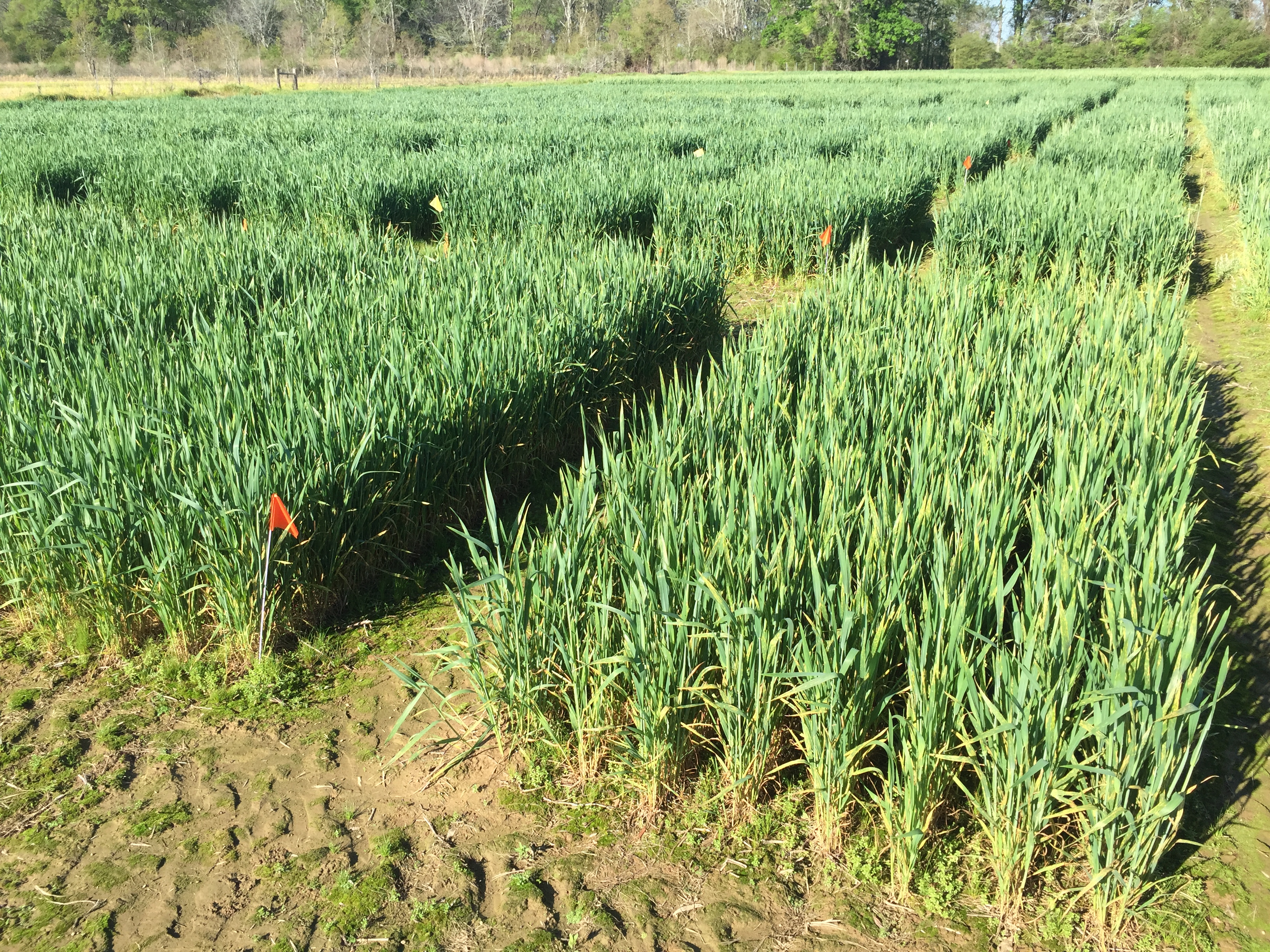
The research station covers 815 acres located immediately south of Winnsboro on US HWY425/LA15. Offices are on the west side of the highway with research areas on the east side of the highway.
212A Macon Ridge Road, Winnsboro, LA 71295
Phone: 318-435-2157
Office Hours: 7:30 a.m.-4:30 p.m., Monday-Friday
Email
Website
Contact: Trey Price, Interim Research Coordinator
Agronomic Row Crops
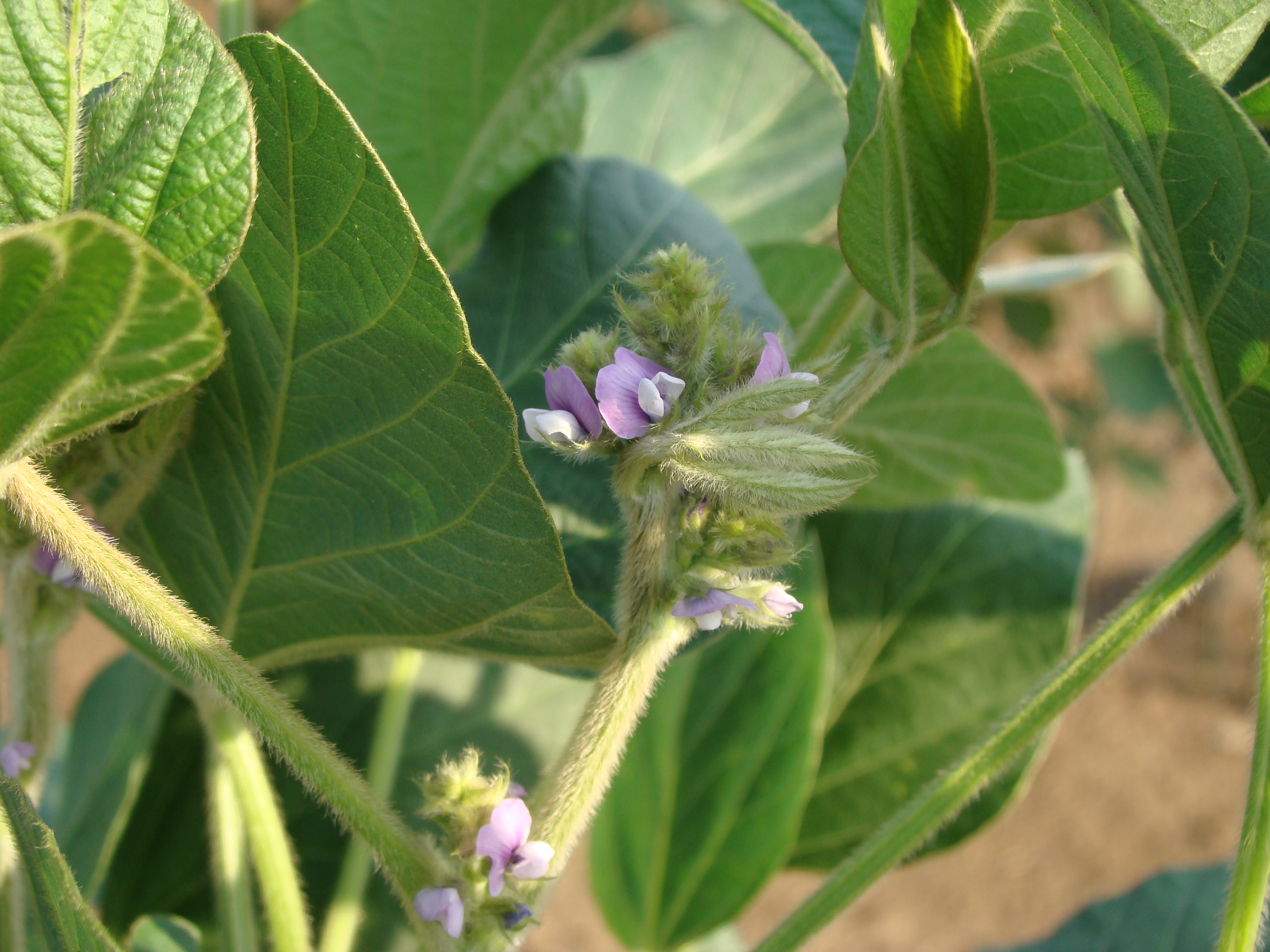
All aspects of applied production research in corn, cotton, grain sorghum, oats, rice, soybean, and wheat in the following scientific areas:
Entomology
Research is focused on insect management and crop response to new and currently registered insecticides, development/ updating of economic thresholds in field crops, quantification and characterization of insecticide resistance by target insects. Identification and documentation of invasive insect species, development of IPM programs in field crops, and investigation of insect resistance management strategies to evade or mitigate insects that could or have developed resistance to insecticides.
Plant Pathology
The pathology program focuses on applied projects geared towards developing new or refining existing integrated disease management strategies. Commercial and experimental fungicides are evaluated for effectiveness on many foliar and soilborne diseases. Breeder selections, varieties, and hybrids are screened annually for naturally-occurring diseases and chloride tolerance. The effect of cultural practices such as crop rotation or tillage type are continually investigated as part of an integrated disease management program. New and emerging diseases are identified and management strategies are developed accordingly. Laboratory and greenhouse facilities at the station allow for diagnosis and basic research on economically important row crop pathogens. Results from this program are used extensively by parish agents, producers, industry, and agricultural consultants to make disease management decisions agronomic crops.
Row Crop Agronomy
There has been a significant research effort in conservation tillage for agronomic crops grown in northeast Louisiana. Results from these studies have led to widespread utilization of reduced tillage in crop production in the area. Other agronomic practices, such as plant population, planting date, row spacing and fertilization, are also evaluated. Optimum fertilization including right source, rate, timing, and placement are very important for profitable crop production and sustain soil fertility and productivity. Fertilizer recommendations based on nutrient concentrations at different soil depths as well as the impact of fertilizer source (liquid vs. granular), application timing (fall vs spring), and placement (banding/injection vs. surface application) on crop yields are routinely evaluated to update nutrient management strategies with recent genetics and technologies. Varieties of most agronomic crops are evaluated at the research station, and strategies are developed for producing multiple crops on a given land area within the same year.
Weed Science
The research basis is to develop weed management strategies for rice, corn, soybean, cotton and grain sorghum.There are four main areas of work: 1) preplant, 2) in-season, 3) post-harvest and 4) fall weed management.Crop and weed response to new and existing herbicides and herbicide resistance management are important components of the research effort.
Data from the Louisiana Ag Summary website.
Agriculture production is crucial to the economy of the Northeast Region and state.Personnel at the Macon Ridge Research Station are dedicated to providing research information important to continuing profitability in agriculture production. Research efforts will continue to focus on evaluating new technologies available in agriculture to determine the potential benefits when utilized in production fields. New crop varieties and pest-control technologies will be a part of these evaluations. Research with crop rotations, tillage, fertilization and management effects on disease, insect, and weed impacts will be conducted. Weed science efforts will continue to focus on resolving known and anticipated weed problems in northeast Louisiana. All research efforts will focus on providing information to sustain long-term agriculture production in an environmentally sound manner.
Please keep on the lookout for upcoming field day advertisements such as the Annual Wheat, Oat, and Cover Crop Field day in April!