Search

Black medic (Medicago lupulina L., Image 1), a member of the legume family (Fabaceae), is a low-growing, spreading broadleaf weed commonly found in lawns. It grows in a prostrate, patch-forming habit and produces taproots and spreading stems that do not produce roots or nodes. Black medic is classified as a winter or summer annual, but in Louisiana behaves more like a winter annual, germinating in the fall and flowering in the spring. This species thrives in thin, nutrient-poor turf, especially where soil nitrogen is low. Black medic has access to atmospheric nitrogen due to its symbiotic relationship with Rhizobium bacteria and therefore has an advantage over under-fertilized turf.
Black medic is most noticeable when its bright yellow flower clusters bloom during warm months. Black medic leaves are trifoliate with three oval leaflets. The center leaflet is on a longer petiole (Image 2), helping distinguish it from clovers and Oxalis. Leaflet margins are slightly serrated toward the tip. The apex of each leaflet commonly projects outward to form a small point. Yellow flowers (Image 3) form in rounded clusters that develop into single-seeded black pods. Plants spread from a central taproot. For more information on black medic identification and characterization, visit the U.S. Department of Agriculture Plants Database.
Maintaining a dense, properly fertilized lawn is the most effective way to reduce black medic. It thrives in low-nitrogen soils, so appropriate fertility is important. Proper mowing heights (listed below) and proper turf species selection help minimize invasion. Manual removal can be effective if plants are removed before seedpods mature.
| Turfgrass Species | Mowing Height* | Nitrogen Rate (per 1,000 ft2 per year) |
|---|---|---|
| Bermudagrass | 1 to 2 inches | Up to 3 pounds |
| Centipedegrass | 1 to 2.5 inches | Up to 2 pounds |
| St. Augustinegrass | 2.5 to 3 inches | Up to 3 pounds |
| Zoysia | 1 to 2.5 inches | Up to 2 pounds |
*Mowing frequency and mowing height are related. Mowing more frequently generally allows for mowing at the lower end of listed ranges.
In addition to cultural practices, herbicide applications may be required to achieve effective weed control. Preemergence herbicides for black medic must be applied prior to seed germination, which is typically from early fall to midwinter in the Gulf South.
When applying any type of herbicide, you must follow the manufacturer’s labeled directions. For more information regarding pesticides for turfgrass, please reference the Louisiana Suggested Chemical Weed Control Guide.
| Active Ingredients | St. Augustinegrass | Centipedegrass | Zoysia | Bermudagrass |
|---|---|---|---|---|
| Dithiopyr | Yes* | Yes | Yes | Yes |
| Isoxaben** | Yes | Yes | Yes | Yes |
| Oryzalin | Yes | Yes | Yes | Yes |
| Active ingredients | St. Augustinegrass | Centipedegrass | Zoysia | Bermudagrass |
|---|---|---|---|---|
| 2,4-D*** | Yes | Yes | Yes | Yes |
| 2,4-D + Dicamba + Mecoprop (MCPP) | Yes | Yes | Yes | Yes |
| 2,4-D + Dicamba + Mecoprop (MCPP) + Carfentrazone | Yes | Yes | Yes | Yes |
| Iodosulfuron + Thiencarbazone + Dicamba | Yes | Yes | Yes | Yes |
| Metsulfuron-methyl | Yes | Yes | Yes | Yes |
| Metsulfuron-methyl + dicamba | Yes | Yes | Yes | Yes |
| Metsulfuron-methyl + Sulfentrazone | Yes | Yes | Yes | Yes |
| Penoxsulam + Sulfentrazone + 2,4-D + Dicamba | Yes (low rates) | Yes | Yes | Yes |
| Quinclorac | No | No | Yes | Yes |
| Sulfentrazone | Yes (low rates) | Yes | Yes | Yes |
*Yes = Safe to apply at labeled rates; No = If applied, major turf injury can occur.
**Active ingredients in bold will provide best control.
***2,4-D is a common herbicide used to control broadleaf weeds. However, centipedegrass and St. Augustinegrass are sensitive to 2,4-D, and its use can potentially damage or even kill these grasses. It is generally not recommended to use 2,4-D on centipedegrass or St. Augustinegrass unless the product label specifically states it is safe for use on this type of grass and the product is applied according to the label instructions.
For information regarding weed identification and control options, please contact your local LSU AgCenter Extension office.

Image 1. Mat of black medic leaves and flowers. Photo by Eric DeBoer
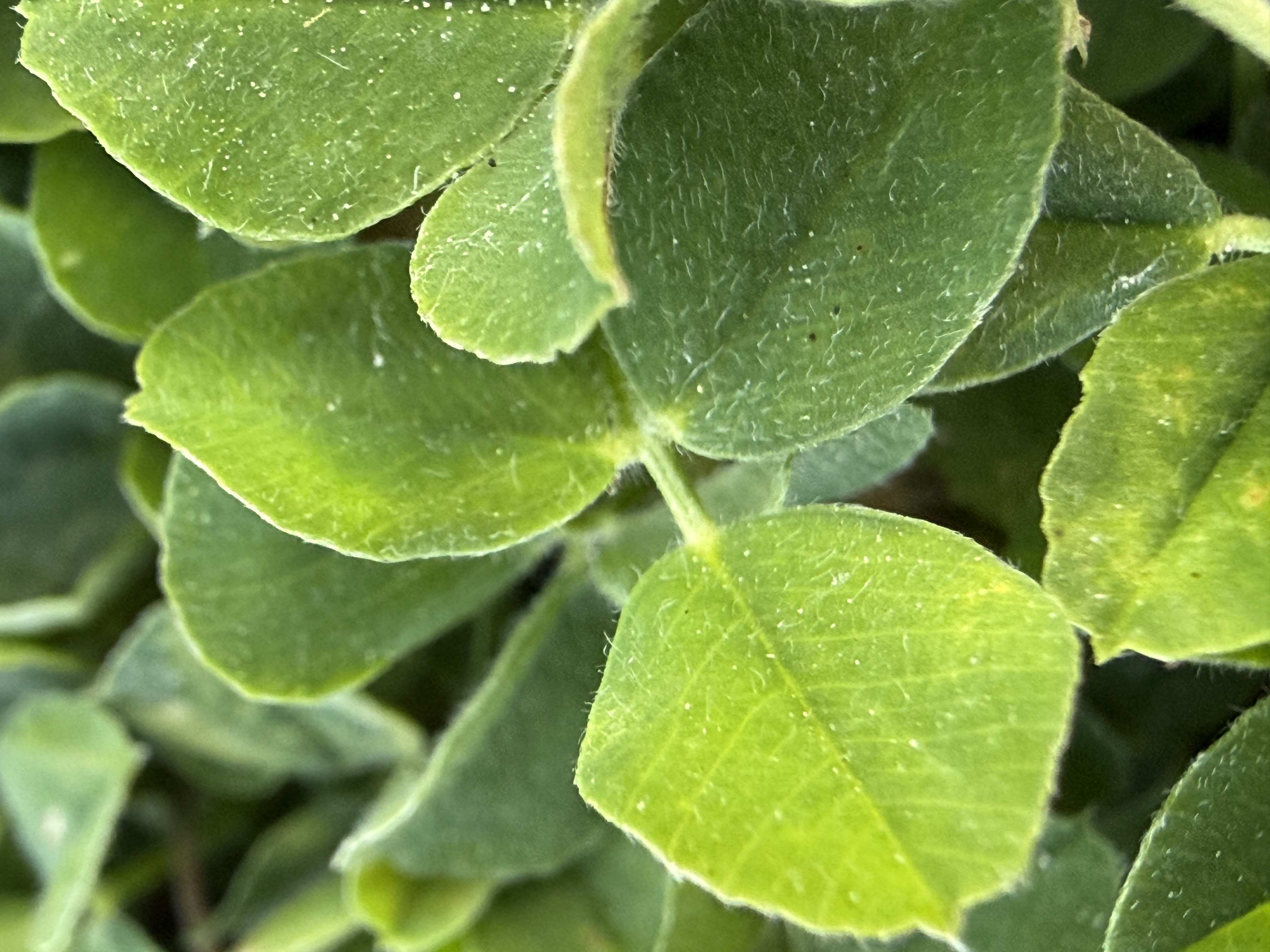
Image 2. The central leaf of black medic on an extended petiole. Photo by Eric DeBoer
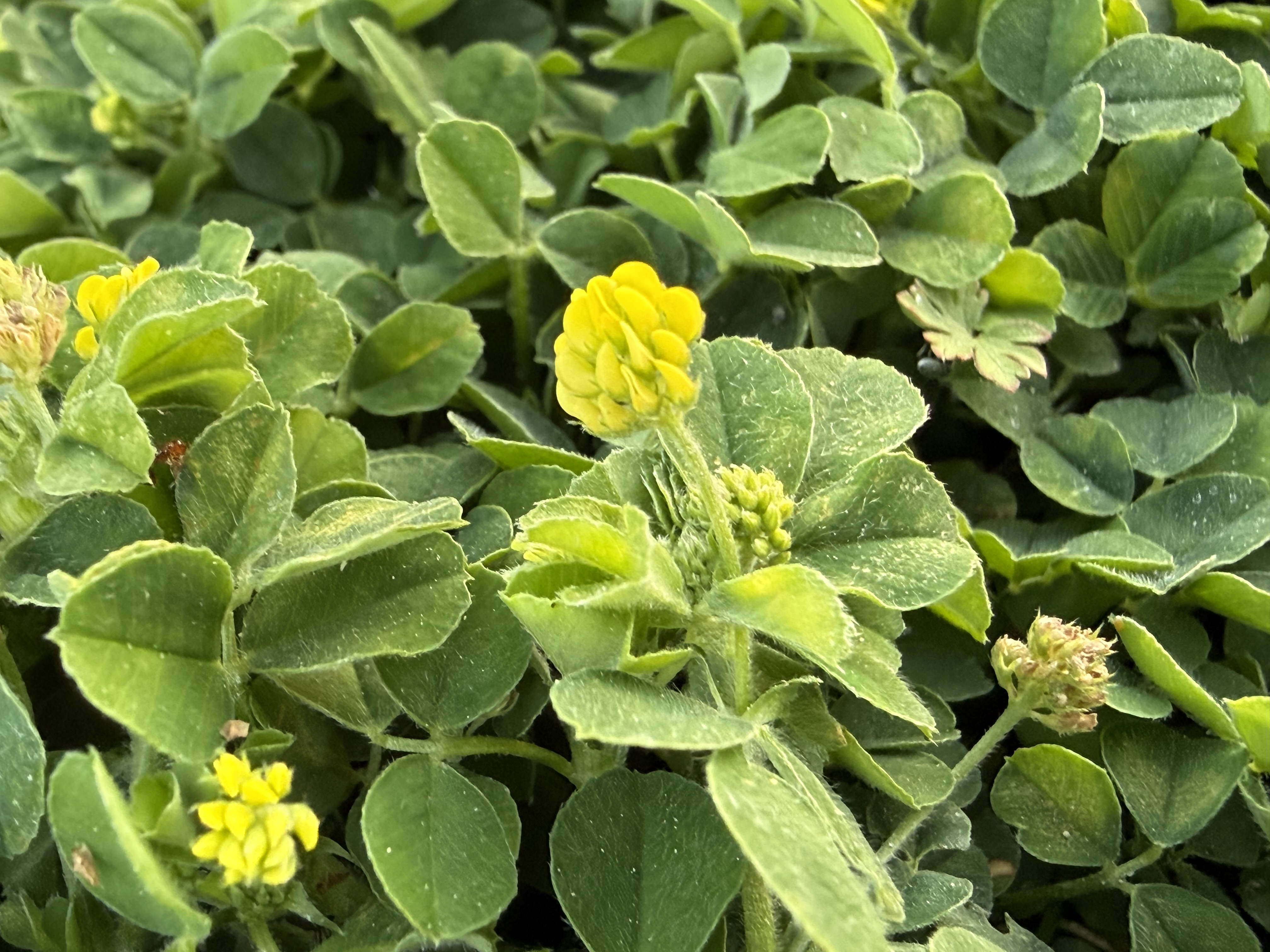
Image 3. The yellow inflorescence of black medic contains many different individual flowers. Photo by Eric DeBoer
Abbey, P.J., Landschoot, R.S., and Delvalle, T. (n.d.). Lawn and turfgrass weeds: Black medic (Medicago lupulina L.). Penn State Extension.
Murphy, T.R., and Colvin, D.L. (1992). Weeds of Southern turfgrasses: Golf courses, lawns, roadsides, recreational areas, commercial sod. University of Florida, Cooperative Extension Service, Institute of Food and Agricultural Sciences.
Patton, A.J., and Elmore, M. (2023). Turfgrass Weed Control for Professionals. Purdue University Extension
P3624-LLLL
6/9/26
The LSU AgCenter and LSU provide equal opportunities in programs and employment.