How to Prevent Cyclosporiasis Illness: Food Safety Practices for Growers, Processors, Restaurants, and Consumers

banner image that says Food Safety with image of a microscopic parasite

What is Cyclosporiasis?

Cyclosporiasis is an intestinal illness caused by the parasite Cyclospora cayetanensis. People become infected when they consume food or water contaminated with the parasite. In the United States, most outbreaks have been associated with fresh produce consumed raw. The disease occurs most frequently during the spring and summer months, particularly from May through August.

Unlike many foodborne pathogens, humans are the only known source of Cyclospora contamination. The parasite is shed in the feces of infected people and requires time in the environment before becoming infectious. As a result, direct person-to-person transmission is uncommon, but contamination of food and water can occur when human waste enters the production environment.

How Does Cyclospora Spread?

The parasite spreads through the fecal-oral route when people consume contaminated food or water. Fresh produce may become contaminated during growing, harvesting, processing or handling if exposed to contaminated water or human fecal matter. Common sources of contamination include:

  • Contaminated irrigation or wash water
  • Poor worker hygiene and inadequate handwashing
  • Improperly maintained toilet and sewage systems
  • Flooding or environmental events that introduce human waste into production areas

Symptoms of Cyclosporiasis

Symptoms usually begin about one week after consuming contaminated food or water and may last for days or weeks if untreated. Some individuals may have no symptoms. Common symptoms include:

  • Frequent watery diarrhea
  • Stomach cramps
  • Bloating and gas
  • Nausea
  • Fatigue
  • Loss of appetite
  • Weight loss
  • Low grade fever
  • Headache
  • Body aches

Individuals experiencing persistent diarrhea or signs of dehydration should seek medical care. Specific laboratory tests are needed to diagnose Cyclospora infection.

Foods Associated with Cyclospora

Most outbreaks have been linked to fresh produce that is consumed raw. Foods previously associated with Cyclospora infections include:

  • Lettuce and salad mixes
  • Cilantro
  • Basil
  • Raspberries
  • Blackberries
  • Snow peas
  • Mesclun lettuce
  • Vegetable trays
  • Fresh herbs and leafy greens

Because fresh produce is often consumed without a cooking step, preventing contamination before it reaches consumers is critical.

Prevention of Cyclosporiasis Across the Food Supply Chain

For Produce Growers

Since humans are the primary source of Cyclospora contamination, prevention efforts should focus on worker health, hygiene, sanitation and water management. Recommended practices include:

  • Train workers on proper handwashing and restroom use.
  • Provide accessible, clean and properly maintained toilets and handwashing stations.
  • Exclude ill workers from harvesting and produce-handling activities.
  • Monitor agriculture water sources for potential contamination.
  • Ensure portable toilets are serviced away from fields and water sources.
  • Develop corrective action plans for sewage leaks, spills and flooding events.
  • Clean and sanitize harvest tools and equipment regularly.

For Fresh Produce Processors and Packing Facilities

Processors serve as a critical control point for minimizing contamination during postharvest handling. Recommended practices include:

  • Implement good manufacturing practices (GMP).
  • Ensure employee health and hygiene policies are followed.
  • Maintain clean and sanitary processing environments.
  • Monitor and protect produce wash water quality.
  • Train employees in proper handwashing and sanitation procedures.
  • Prevent cross contamination between incoming raw produce and finished products.
  • Develop environmental monitoring and sanitation verification programs.

Note: Traditional chlorine-based sanitizers may reduce microbial risks but are not highly effective against Cyclospora oocysts. Prevention of contamination remains the best control strategy.

For Restaurants and Food Service Operations

Food service establishments play an important role in preventing the spread of foodborne illnesses. Recommended practices include:

  • Wash hands thoroughly before preparing food.
  • Wash and sanitize food contact surfaces, cutting boards and utensils.
  • Store fresh produce away from raw meats, poultry and seafood.
  • Purchase produce from approved and reputable suppliers.
  • Train employees in proper food safety and hygiene practices.
  • Exclude employees with gastrointestinal illness from food preparation activities.
  • Refrigerate cut fruits and vegetables promptly.

For Consumers

Although consumers cannot completely eliminate the risk of Cyclospora infection, they can significantly reduce their risk by following safe food handling practices. Recommended practices include:

  • Wash hands with soap and water for at least 20 seconds before handling food.
  • Rinse fresh fruits and vegetables thoroughly under running water before eating, cutting or cooking.
  • Scrub firm produce such as melons and cucumbers with a clean produce brush.
  • Remove damaged or bruised areas from fruits and vegetables.
  • Clean and sanitize countertops, cutting boards and kitchen utensils.
  • Keep fresh produce separate from raw meat, poultry and seafood.
  • Refrigerate cut fruits and vegetables within two hours.
  • Use safe drinking water, especially when traveling.
  • Seek medical care if symptoms persist or worsen.

Prevention is the most effective strategy to minimize Cyclospora infection. Cyclospora contamination can occur anywhere from farm to table and common sanitizers may not eliminate the parasite. Strong hygiene, sanitation, water management and food safety practices by growers, processors, restaurants and consumers are essential to reducing the risk of cyclosporiasis and protecting public health.
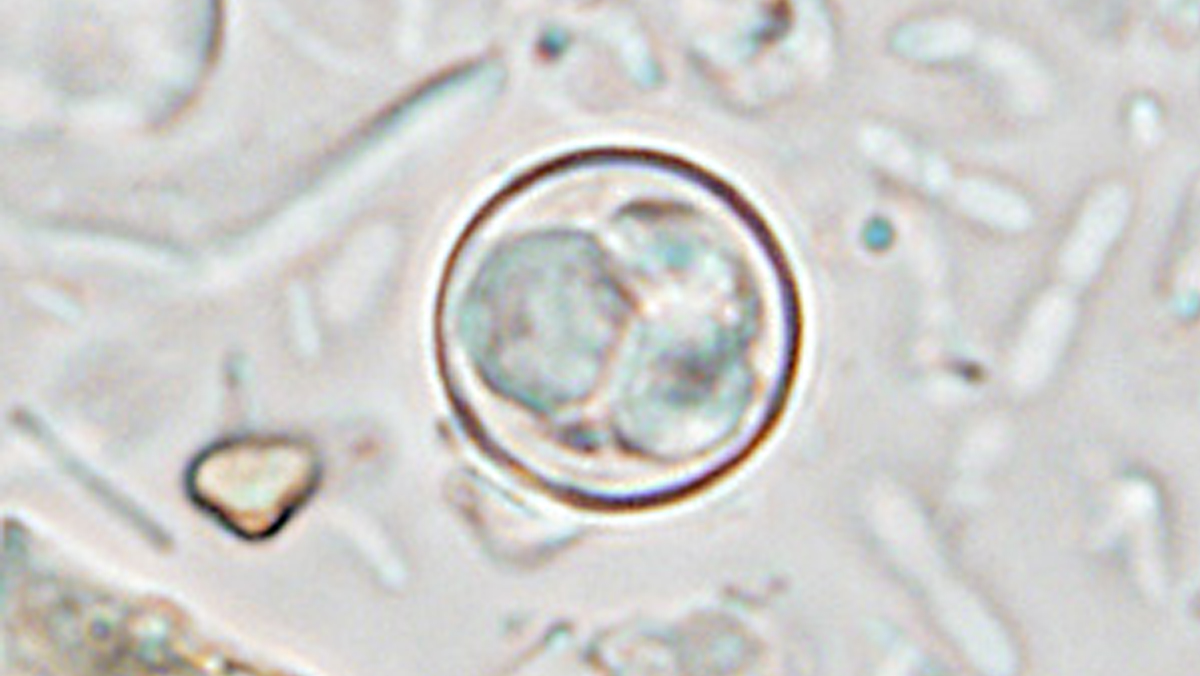
Microscopic image of a parasite
A Cyclospora oocyst as seen through a microscope. Photo by the Centers for Disease Control and Prevention

P4063

7/15/26

The LSU AgCenter and LSU provide equal opportunities in programs and employment.

7/16/2026 1:43:34 PM
Rate This Article:

Have a question or comment about the information on this page?

Top