Search


As we step into the sultry heat of a Louisiana summer, I hope your gardens are thriving and your hens are keeping you well-stocked with fresh eggs. It’s a season of planning here at the LSU AgCenter’s Northwest Region, we’re embracing it with enthusiasm and purpose. We recently wrapped up a successful Hay Day Field Day event on June 12 at the Dodson Ranch in Coushatta, LA, focused entirely on hay production. It was a fantastic opportunity for producers to gain insights and connect with experts in the field. A big thank you to everyone who participated and helped make it a success! The biggest thank you of all to Loyd Dodson and his crew! Looking ahead, we’re excited to host a Canning and Food Preservation Workshop on July 19 at the Red River Research Station. This hands-on event will be a great resource for anyone interested in preserving the fruits (and vegetables) of their labor. But the biggest event on our horizon is the 3rd Annual Louisiana Homesteader Conference and Expo, happening October 17–18 at the Red River Research Station in Bossier City. This year’s conference promises to be our best yet, with a full lineup of educational talks, livestock exhibits, over 100 vendors, food trucks, and fun activities for the whole family—including a corn maize for the kids! This is the premier homesteading event in Louisiana and surrounding states. You don’t want to miss it! We’re also thrilled to share that we’re working with an architect to transform the iconic Big Red Barn at the station into a vibrant event center. I’ve seen the plans, and they are truly magnificent. This transformation will open the door to even more programming and events in the future—so stay tuned! Thank you for your continued support of the LSU AgCenter. We look forward to seeing you at of our upcoming events!
Have you ever heard of the expression, “Just take a little bit off of the top”? While this phrase is common in the local barbershop, it also holds true for proper lawn care. Most homeowners just think of mowing the yard as a chore and dread doing it because of the hot summer temperatures. When done properly, mowing helps to maintain a healthy lawn and will also help to suppress weed infestation. Even though Summer officially begins on June 20, 2025, Louisianians usually must begin mowing around the end of March and most will mow all the way up to the first frost of the Fall. As you can see, we spend a great portion of the year mowing and tending to our lawns. There are two main topics to discuss when talking about mowing lawns: mowing height and mowing frequency. I often see homeowners who like to lower their mower decks as low as they will go and scalp the lawns. I suppose they do this with the thought of “mow it short and mow it less often”. Mowing grasses too short can often cause damage to the turf grass and encourage weed growth. Homeowners should follow the one-third rule which states that no more than one-third of the leaf blade height should be removed in a single mowing. For example, if the height of cut is 2 inches, it should be mowed whenever it reaches 3 inches in height. On average, Louisianians mow their lawns once per week. During a wet spring or summer like we have been seeing, this mowing frequency may need to be increased. This will also depend on the type of grasses that your lawn contains. Faster-growing species such as Bermuda grass and Bahia grass will need to be mowed more frequently than slower-growing species such as Zoysia grass. If lawns are not mowed frequently enough, large volumes of grass clippings can be an issue. Large quantities of grass clippings that are not removed after mowing can block out sunlight penetration and in turn cause bare spots to form.
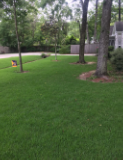
Properly mowed lawn
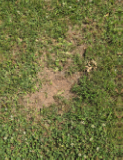
Large volume of grass clipping due to mowing too short
https://www.lsuagcenter.com/topics/lawn_garden
Joshua Salley
Desoto Parish Extension Agent

Summers in Northwest Louisiana can be tough on tomato plants. When daytime temperatures rise above 85°F and nights stay warm, many standard tomato varieties struggle to set fruit. This can be frustrating for local gardeners who put time and care into their summer crops, only to see healthy plants bloom with no tomatoes in sight.
To improve success in the heat, the LSU AgCenter recommends planting “heat-set” tomato varieties during the hotter parts of the growing season. These varieties are specifically bred to tolerate high temperatures and continue producing when other types may fail.
Mark Wilson
Area Horticulture Agent
For gardeners in northwest Louisiana, choosing heat-set tomato varieties like Florida 91, Phoenix, or Solar Fire can make a significant difference during the peak of summer.
These varieties offer:
For more detailed information on tomato growing in Louisiana, including fertilization, disease control, and planting calendars: LSU AgCenter publication : "Tomatoes” (Publication #1902)

There’s nothing like a juicy, homegrown tomato fresh off the vine—but when the harvest comes all at once, what do you do with the extras?
Don’t let them go to waste! Preserving tomatoes is a great way to enjoy that garden-fresh flavor all year long. Whether you’re a beginner or a seasoned pro.
Here are four safe, simple ways to preserve tomatoes—and how the LSU AgCenter can help.
Canning is a time-tested method that can keep your tomatoes shelf-stable for over a year. Water bath canning works for plain tomatoes—but only if you add bottled lemon juice or citric acid. For thicker sauces or recipes with meat or vegetables, pressure canning is a must for safety.
Short on time? Freezing tomatoes is quick and easy. You can freeze them whole, stewed, or as sauce. Just peel, pack in airtight containers, and label.
Drying tomatoes concentrates their flavor and makes for great snacks or cooking ingredients. A dehydrator works best, but you can also use an oven on low heat. Want to learn how?
From tangy ketchup to spicy salsa, tomatoes are the perfect base for delicious value-added products. The key is using tested, research-based recipes to make sure your creations are safe to store.
We’re Here to Help!
The LSU AgCenter serves as your reliable local resource for safe food preservation. Whether you seek a tested recipe, a hands-on workshop, or individual advice, we are here to assist you.
Contact your parish extension office or visit lsuagcenter.com for expert guidance, science-based information, and tasty ways to preserve your harvest.
Prepared by Jessica Salley- Sabine Parish Nutrition and Community Health Agent
@https://www.lsuagcenter.com/topics/food_health
Additionally, we want to inform you that we have copies of the latest edition of So Easy to Preserve, the leading guide in home food preservation from the University of Georgia Cooperative Extension (available for purchase through our office).

Tuesday & Friday
7:30am-unti sold out
Mid March- Mid July
Mid October-Mid December

Blueberries may be small, but their impact on health and flavor is mighty. Packed with antioxidants, vitamins and fiber, these little berries are a delicious way to boost wellness and enjoy seasonal goodness, Blueberries are rich in Vitamin C, Vitamin K, and Manganese. Supporting immune function, bone health and metabolism. Their high antioxidants content, particularly flavonoids, helps combat oxidative stress and inflammation, making them a powerhouse for heart and brain health.
Sources:
www.lsuagcenter.com & Seeds for Success/Harvest of the Month Prepared by:
Shannan Chevallier, Associate NCH Agent Winn/Jackson Parishes

With the Louisiana summer heating up, one thing we need to think about is how we keep our chickens and poultry comfortable. There are several considerations to make for our poultry in summer weather such as an adequate supply of fresh clean water, adequate space for our birds, and what heat stress looks like.
One of the most important aspects for our chickens anytime of the year is a fresh clean and cool supply of water. Water could be argued to be the most essential nutrient in our birds’ diet, but it is especially important during hot weather. The NRC estimates a 7% increase in water intake with every degree rise in temperature above our bird’s comfort levels. It also needs to be fresh and clean. This means checking on the level regularly and periodically, not only rinsing the drinkers out but also scrubbing them with soap and water. It is also preferable to place these drinkers in the shade as this will help them from heating up so much during the day. Water temperatures over 107 degrees will depress the intake. Also, people will put ice in their drinkers to keep them cooler, however you would be surprised how quickly that water will heat up and the ice melts (see figure below).

Water temperature of ice water place 1 & 5 Qt drinkers in the sun vs the shade.
Also, we want to provide adequate space for our birds, while normal space recommendations are usually 1-3 square feet per bird depending on their size, it can be beneficial to have a little extra during the summer months as overcrowding can cause our birds to feel even hotter. Think about how you feel on a packed bus or in a crowded room. Also, this space needs to have some form of shade to protect the birds from the sun, and provide shade if the birds want it. This can be a solid roof made from wood or metal, or it can be a mesh material acting as a shade cloth. In areas that have solid walls that prevent a natural draft through them it can be helpful to have a fan to provide some air movement for the birds. This does not have to be an overly complex ventilation system but could be as simple as a cheap box fan in the coop that is turned on during the day (although make sure to place or hang the fan in an area the birds cannot reach and protect the cord away from curious chickens).
Finally, we need to know what heat stress looks like in our poultry. One of the easiest signs to see is panting. Chickens don’t sweat but they will pant when they are hot. They will also often squat to allow air to pass under their body and spread their wings to increase their surface area to help cool them off. If we see these signs in our flocks, we need to provide shade cooling or space to make our birds comfortable.
William Strickland
Hill Farm Research Station Regional Poultry Agent
Innovative Uses for Empty 2-Liter Bottles on Your Homestead


Empty 2-liter bottles from your favorite soda can be more than just trash. With a bit of creativity, these bottles can serve multiple purposes around your property, helping you save money and reduce waste. Here are some practical and inventive ways to repurpose them:
Transform your empty bottles into self-watering planters. Cut the top third off, invert it, and place it into the bottom section. Attach this setup to a board for stability. Fill the top section with potting soil and plant your favorite herbs. Excess water drains into the bottom section and can be wicked up by the roots, ensuring your plants stay hydrated.
Create cozy bird houses by cutting holes in the sides of the bottles. Hang them around your property to provide shelter for local birds. This simple project can attract various bird species, adding life and color to your homestead.
Coat the inside of a bottle with bright paint, replace the cap tightly, and attach fishing line and a weight. Place this in a water trough. If the water level drops, the bottle will disappear from view, alerting you to a potential problem with your livestock's water supply.
Use bottles as mini greenhouses for starting seeds. Cut the bottles in half and place the bottom section over your seedlings. This creates a warm, humid environment that encourages germination and growth.
Create a simple water sprinkler by poking small holes along the sides of a bottle. Attach it to a water hose and lay it on its side in the area needing water. This DIY sprinkler can help you efficiently water your garden.
Repurpose bottles as storage containers. They can hold various items such as screws, nails, or other small tools. Label them for easy identification and organization.
Cut off the top and bottom of the bottle, split the side, and place it around the base of trees. This protects the trees from damage when weed eating, ensuring their healthy growth.
These are just a few of the many ways you can repurpose 2-liter bottles to benefit your homestead. By finding new uses for these bottles, you not only reduce waste but also create practical solutions for everyday challenges.
Bill Waltman
Farm Manager
Red River Research Station
Happy Re-purposing!

Dove hunting over a well-prepared food plot is a great way for both experienced hunters and also newcomers to the sport of wing shooting, to enjoy days of fun while making lifelong memories. This age-old social tradition in the south also results in some of the tastiest table-fare our great outdoors has to offer.
With just a little effort, anyone who owns or leases property, can be successful. Plots as small as .5-1 acres can produce an abundance of game birds. With the opening of the 2025 Louisiana Dove season set for September 6th, your efforts need to start immediately though.
Good luck, get outside, and enjoy the fruits of your labor!
Chris Pearce-
Sabine Parish Extension Office
ANR Agent

Warmer temperatures and longer days lead to increased predator activity as they seek food and mates. Many predators breed in spring, resulting in an increased demand to find food for their young. As they mature, these inexperienced young hunters often target smaller animals, like those on your homestead.
There are some simple steps you can take to protect your livestock from predators.
It is important to stay vigilant. Inspect your animals’ shelters, enclosures, and your perimeter regularly for signs of damage or attempted entry points. This will allow you to quickly spot and address issues. View each animal at least once a day. Ideally, a headcount morning and evening will enable you to make certain all your animals are accounted for and unharmed. Dawn and dusk are peak times for many predators. Small livestock and especially poultry that forage in pasture should have some level of supervision in high predator pressure locations. Whether this supervision is done in person, using a livestock guardian, or remotely is up to the homestead needs.
Finally, learn as much as you can about the predators that may be in your area. Do your research. Learn more about each potential threat and what might attract them to your property. This will allow you to fine tune your defense methods to maximize their effectiveness. Reach out to your Louisiana Cooperative Extension Service at the LSU AgCenter or the Louisiana Department of Wildlife and Fisheries for guidance on wildlife laws, regulations, and management strategies to keep your livestock protected.
Valerie West
Bossier Extension Office
ANR Agent
Donna Haynes
Northwest Region Administrative Coordinator
 Do you remember the days when purple stains on your thumbs or fingers were a badge of honor? This Nana is aging herself, but those were the times when you sat among family and friends with a big bowl on your lap. That bowl was full of purple hull peas, and before you knew it, you had a pile of pea shells, and a heart full of the good conversation you shared. Those were the good ole days.
I can almost smell those peas cooking, and of course, don't forget the cornbread to soak up the juicy goodness. This memory is sweet and a good reminder that lasting memories are found more in the simple things that only require our time.
A bushel is a unit, equivalent to 32 quarts or 8 gallons. A peck is a quarter of a bushel, or 8 quarts. One bushel equals four pecks.
Nana's meaning to her grandson is, "I love you a bushel and a peck and a hug around your neck!" This was a saying my son's late Papa used to say to them, what a special quote!

Cherish these moments and the simple joys they bring. They are the threads that weave the fabric of our most treasured memories.
| Date | Event | Details |
|---|---|---|
| July 9 | Ag Water Management Field Day | Farmers are invited to join us for an informative workshop where they can learn about crucial topics such as water quality, soil health, irrigation, drainage, drought management, digital agriculture, artificial intelligence, precision agriculture and receive updates from LSU AgCenter Crop Specialists. RSVP Donna Haynes @ 318-408-0971 or email dhaynes@agcenter.lsu.edu |
| July 19 | Homesteader Series: Basics of Canning and Preserving Food | Discover the art of preserving your food with our From Garden to Jar education program. Learn the essentials of canning and how to safely and effectively preserve your harvest. Join us to gain valuable knowledge and skills that will help you enjoy your garden's bounty all year round! Ready to get started? Let's preserve those flavors together! RSVP Donna Haynes @ 318-408-0971 or email dhaynes@agcenter.lsu.edu |
| October 17-18 | Louisiana Homesteader Conference & Expo | Join us for an enriching Homestead Expo featuring15 expert speakers discussing a wide range of topics, including:
There will be fun activities for kids! Stay all day! There will be food trucks will be onsite. Explore the expo with over 100 vendors showcasing their products and services. Visit our "Ask the expert" booth where you can ask questions and get advice from our specialists. |
| October 25 | Harvest Time at the Farm | Bring the whole family for a fun-filled fall night featuring a classic children movie, educational segments from our knowledgeable extension agents, and activities for the kids including Tractor Trick or Treat! Kids can wear their favorite costumes. Enjoy some tasty popcorn and hot chocolate. After sundown enjoy a hayride around the farm and more! It's the perfect way to enjoy the autumn season together. Don't miss out on this fun night on the farm! |
| December 13 or rain out date December 20 | Christmas at the Farm | Join us for a night of Christmas family tradition on the farm! Bring your blankets and chairs to watch a outdoor classic Christmas movie while enjoying popcorn and hot chocolate. Enjoy educational segments presented by our extension agents, and let the kids have fun with activities including a visit with Santa and Mrs. Claus!
Celebrate the Christmas season with us and create unforgettable memories! |
| Name | Title | Phone Number |
|---|---|---|
| Dr. Ronald Strahan | Northwest Region Director | 318-741-7430 |
| Joshua Salley | Assistant ANR Agent | 318-872-0533 |
| Mark Wilson | Associate ANR Agent/Area Horticulture | 318-408-0984 |
| Shannon Chevallier | Associate NCH Agent | 318-628-4528 |
| Will Strickland | Assistant Agent-Poultry | 318-927-2578 |
| Bill Waltman | Farm Manager/Research Associate Coordinator | 318-286-9324 |
| Chris Pearce | Associate ANR Agent | 318-256-3406 |
| Valerie West | Associate ANR Agent | 318-965-2326 |
| Donna Haynes | Northwest Region Administrative Coordinator | 318-408-0971 |
The LSU Agricultural Research and Cooperative Extension Service is a vital institution that serves our state and country. As part of our educational mission, we organize various programs, including field days, workshops, and hands-on demonstrations. designed to provide attendees with valuable knowledge about homesteading, food production in small backyard acreages, and food preservation. Our goal is to empower participants to effectively care for their land, livestock, and natural resources.

The LSU AgCenter and LSU provide equal opportunities in programs and employment.

Follow Us On Facebook:
NW Region
Red River Research Station

Thank you for your support!
LSU AgCenter Louisiana Homesteader Conference Webpage
www.lsuagcenter.com Use Keywords: Louisiana Homesteader Conference