Search
Jeffrey Hoy, Gravois, Kenneth
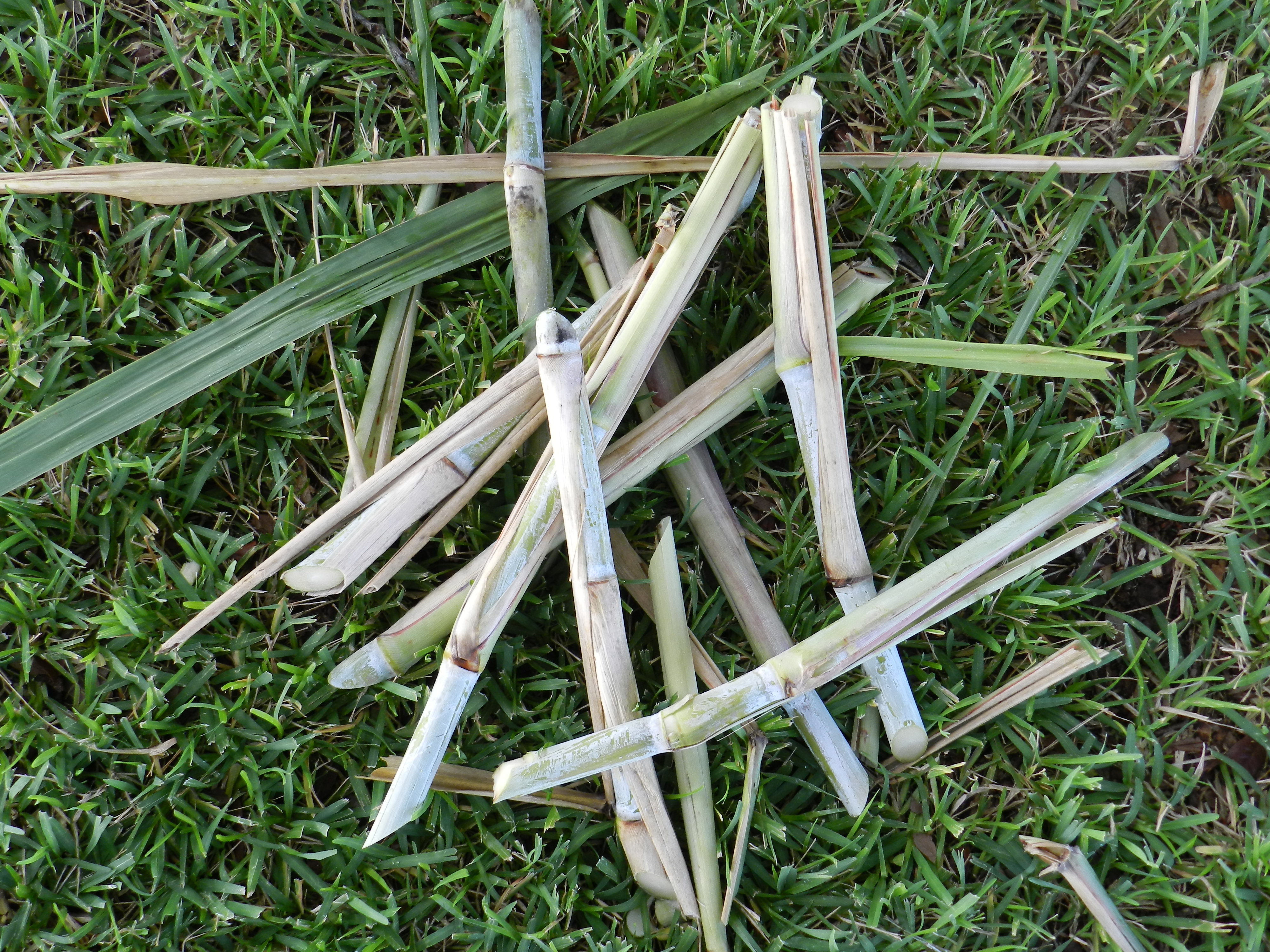
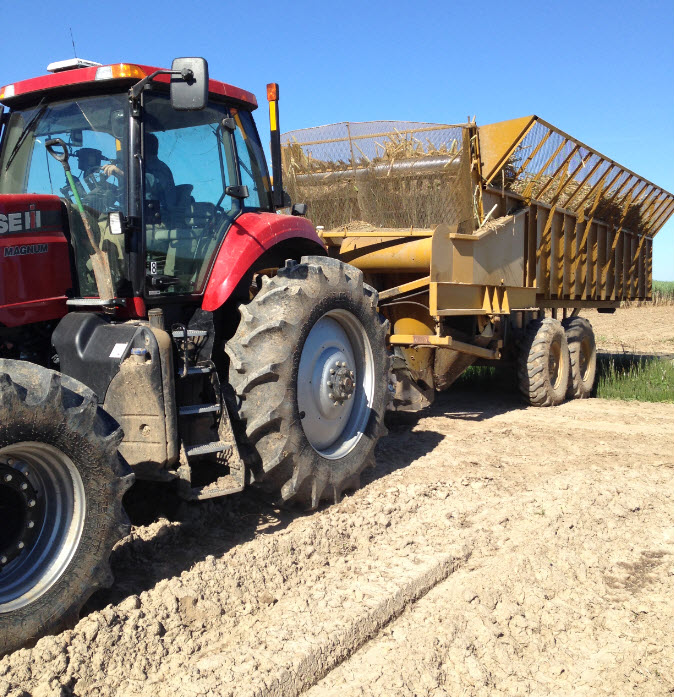
Sugarcane is a vegetatively planted crop. Stalks or stalk sections, called billets, are planted, and the stalk buds germinate and grow to produce the next crop. Traditionally, sugarcane has been planted as whole stalks in Louisiana. Planting occurs during late summer, and the newly established plants must survive the winter and renew growth the following spring to produce the crop for harvest. A high planting rate consisting of an average of three to four stalks running continuously in the planting furrow is used. This expensive planting method is used to ensure that an adequate stand is maintained despite the occurrence of stressful environmental conditions and diseases.
Planted stalks may be affected by several diseases called stalk rots. Rotting of the seedcane can lead to stand establishment problems and potentially even stand failure. Stress due to drought, excess water and freezes will result in more severe stalk rot damage. Planted whole stalks can sustain partial damage from stalk rot and still produce an adequate number of plants.
The Louisiana sugarcane industry switched from whole-stalk to billet harvesting during the mid-1990s. This switch created intense interest in using billets rather than whole stalks for planting. The shorter seedcane billet is more susceptible to severe stalk rot damage. In fact, research has shown that planted billets are more susceptible than whole stalks to damage from any problem encountered during and after planting.
Research has demonstrated that, over time, whole-stalk planting will produce higher yields with fewer problems than billet planting. So, why would anyone plant billets? Several factors can create a need for billet planting. The most common is lodging of seedcane. Once seedcane falls, it can be very difficult to cut and plant as whole stalks. Another factor is problems associated with obtaining and managing labor for hand planting. Finally, whole stalk harvesters and stalk loaders are not being made anymore, so maintaining a whole-stalk harvesting system just for cutting seedcane can be difficult.
The increasing adoption of billet planting has made it important to determine practices that will maximize the chances of success with billet planting. A number of practices have been identified that are helpful. Longer billets than those cut for commercial harvest must be used. An average billet length of 20-24 inches will provide a billet with 3-4 buds per billet and a length that will flow well in mechanical planters. Physical damage to billets sustained during the mechanical harvest and planting processes creates wounds that serve as entry points for stalk-rot pathogens. Harvester and planter adjustments and modifications can create billets with as little damage as possible. Seedcane with little damage from stalk borers also should be used.
Seed treatment chemicals are being investigated to improve stand establishment and yield in billet plantings, and some are showing promising results. However, as of the 2020 planting season, only two fungicides, Quilt Xcel (suggested rate range = 15-20 oz/acre) and Priaxor (suggested rate range = 5-7 oz/acre) have been labeled for use at planting. Fungicides applied alone have improved billet planting stands and yields in some experiments, but the most consistent results have been obtained with a treatment combining fungicide and the insecticide, Platinum. A label for Platinum is being sought but is not expected until the 2021 planting season at the earliest. Chemical treatments require complete, thorough coverage to be effective. Spray applications with a sugarcane planter should use multiple nozzles and a high spray volume of at least 30 gallons of water per acre.
Good planting practices are essential for billets. Good seedbed preparation with adequate soil moisture and uniform coverage with no more than 3 inches of soil are extremely important. Good weed control during the fallow period and pre-emergence will reduce the need to make applications of herbicides after plants have emerged. A higher planting rate is typically used for billets to reduce the risk of serious stand problems, but this increases the cost. Billet planting performance can be affected by planting date. Billets planted during late August and September tend to perform the best. This is in contrast to whole stalk planting that performs best at the beginning of August. Sugarcane varieties vary in tolerance to billet planting. Information on the relative tolerance of different varieties is generated through research and is available to farmers. For more information on billet planting contact Dr. Jeff Hoy of the Department of Plant Pathology and Crop Physiology